
Structural, Cosmetic, and Mechanical: How to Prioritize Home Improvement Projects

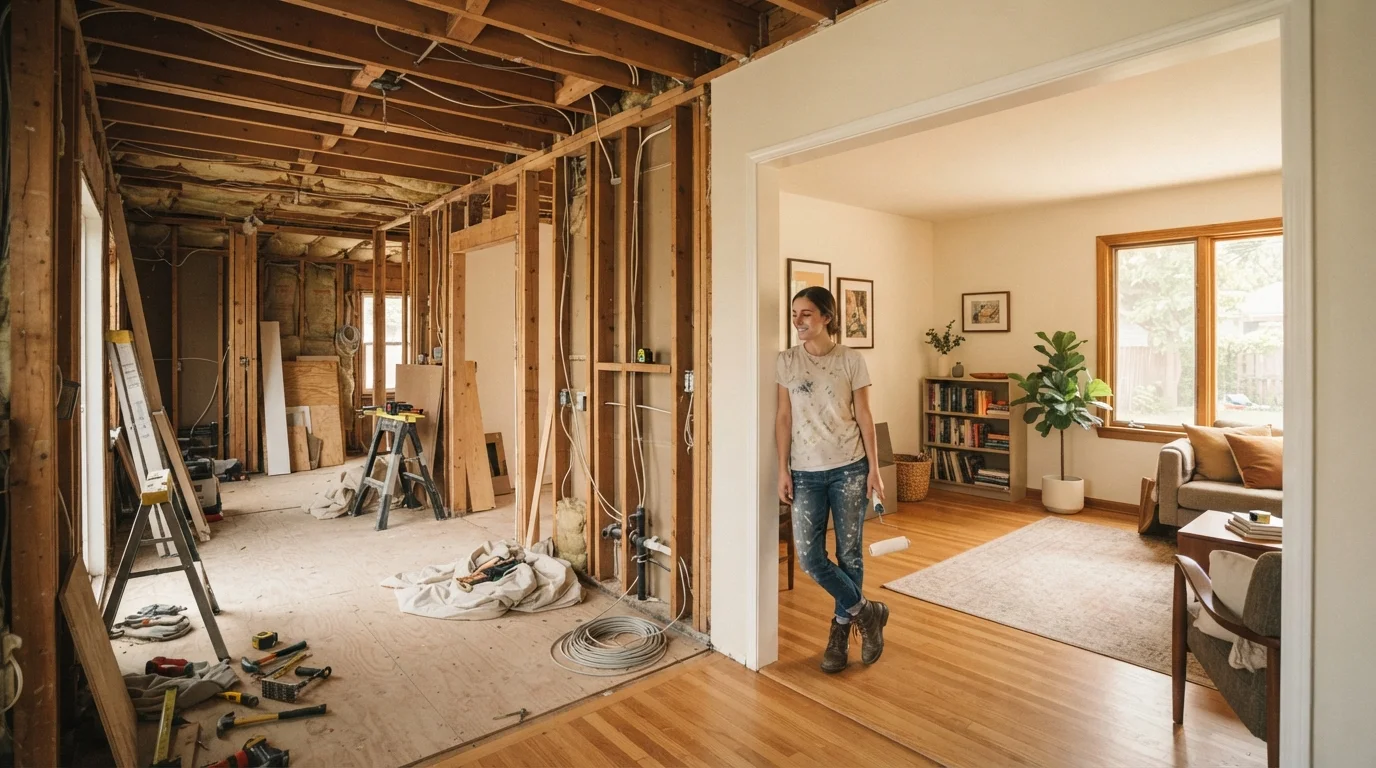
Key Takeaways
- Structural problems—foundation, roof, framing—always take priority over cosmetic upgrades.
- Mechanical systems (HVAC, plumbing, electrical) are the second tier; failures here cause cascading damage.
- Cosmetic improvements add value and livability but should follow structural and mechanical stability.
- A simple urgency-safety-return framework helps rank competing projects objectively.
- Deferred maintenance typically costs significantly more to fix than timely, planned repairs.
Why Project Order Matters More Than Budget
Most homeowners approach renovation with a wish list—new countertops, a fresh coat of paint, maybe a deck. What gets overlooked is that the sequence of projects matters as much as the projects themselves. Doing cosmetic work before addressing a leaking roof or failing electrical panel is like painting over rust: the underlying problem accelerates while you admire the surface.
A practical prioritization framework groups projects into three tiers: structural, mechanical, and cosmetic. Working through them in that order protects your investment, keeps occupants safe, and prevents one project from undoing another. Before diving into any renovation plan, it helps to speak the same language as your contractors — see our renovation glossary for terms you'll encounter throughout the process.
Tier 1 — Structural: The Non-Negotiables
Structural work addresses everything that holds the house together and keeps weather out: foundation, framing, roof, exterior walls, and load-bearing elements. These projects are non-negotiable because failure is rarely gradual — it compounds. A small foundation crack that admits water can undermine a slab; a soft roof deck that goes unaddressed leads to decking replacement, then rafter repairs, then interior ceiling damage.
When evaluating structural issues, look for visible signs: doors and windows that stick or no longer square up in their frames, cracks wider than a hairline in foundation walls, sagging or uneven floors, and daylight visible through roofing material. Any of these warrants a professional assessment before other work proceeds. Note that structural repairs frequently require permits and licensed contractors — always verify local code requirements with your municipality before starting work.
Tier 2 — Mechanical: Systems That Run the House
Mechanical systems — HVAC, plumbing, and electrical — are invisible most of the time, which makes them easy to deprioritize. They shouldn't be. A failing HVAC system in summer is a health risk. Outdated wiring is a fire hazard. A slow plumbing leak inside a wall can silently rot framing for months before it surfaces.
35%
Home fires attributed to electrical failures
The U.S. Fire Administration has consistently identified electrical malfunctions as one of the leading causes of residential fires, underscoring why aging wiring warrants prompt professional attention.
10×
Cost multiplier for deferred water damage repairs
Industry estimates from home inspection and restoration professionals suggest that water intrusion left unaddressed can cost ten times more to remediate once mold and structural damage develop.
The test for mechanical urgency is straightforward: ask whether a failure would damage other systems or create a safety risk. If yes, it moves to the front of the queue. Electrical work and anything involving gas lines or main plumbing connections must be performed by licensed professionals. For a clear-eyed look at where the DIY line falls on mechanical tasks, see our guide on DIY vs. hiring out.
Tier 3 — Cosmetic: Value and Livability
Cosmetic projects — paint, flooring, cabinetry, fixtures, landscaping — are where most homeowners want to spend their time and money, and for good reason: they're visually rewarding and directly affect daily comfort. Once structural and mechanical systems are sound, cosmetic upgrades are a legitimate and worthwhile focus.
Within the cosmetic tier, prioritize by return and livability impact. Kitchens and bathrooms typically carry the strongest resale influence among interior upgrades. Our small bathroom renovation guide walks through how to maximize impact even in compact spaces. Before expanding square footage for cosmetic gain, also weigh whether finishing existing space outperforms an addition — our analysis of room additions vs. finishing existing space covers the trade-offs in detail.
Applying the Framework: Urgency, Safety, and Return
When you have multiple projects competing for budget, score each one against three questions: How urgent is it? (Will delay cause additional damage or cost?) Does it affect safety? (Could failure harm occupants or expose the home to uninsurable risk?) What is the likely return? (Does it protect value, add value, or primarily serve personal preference?)
A project that scores high on urgency and safety — a cracked flue liner, aging electrical panel, or deteriorating crawl space vapor barrier — should proceed regardless of cosmetic appeal. Projects that score primarily on personal preference can wait for financial readiness without negative consequences. This framework also helps conversations with contractors stay grounded. For realistic planning timelines once you've set your priorities, our article on why renovation timelines run long is worth reading before you finalize a schedule.