

Key Takeaways
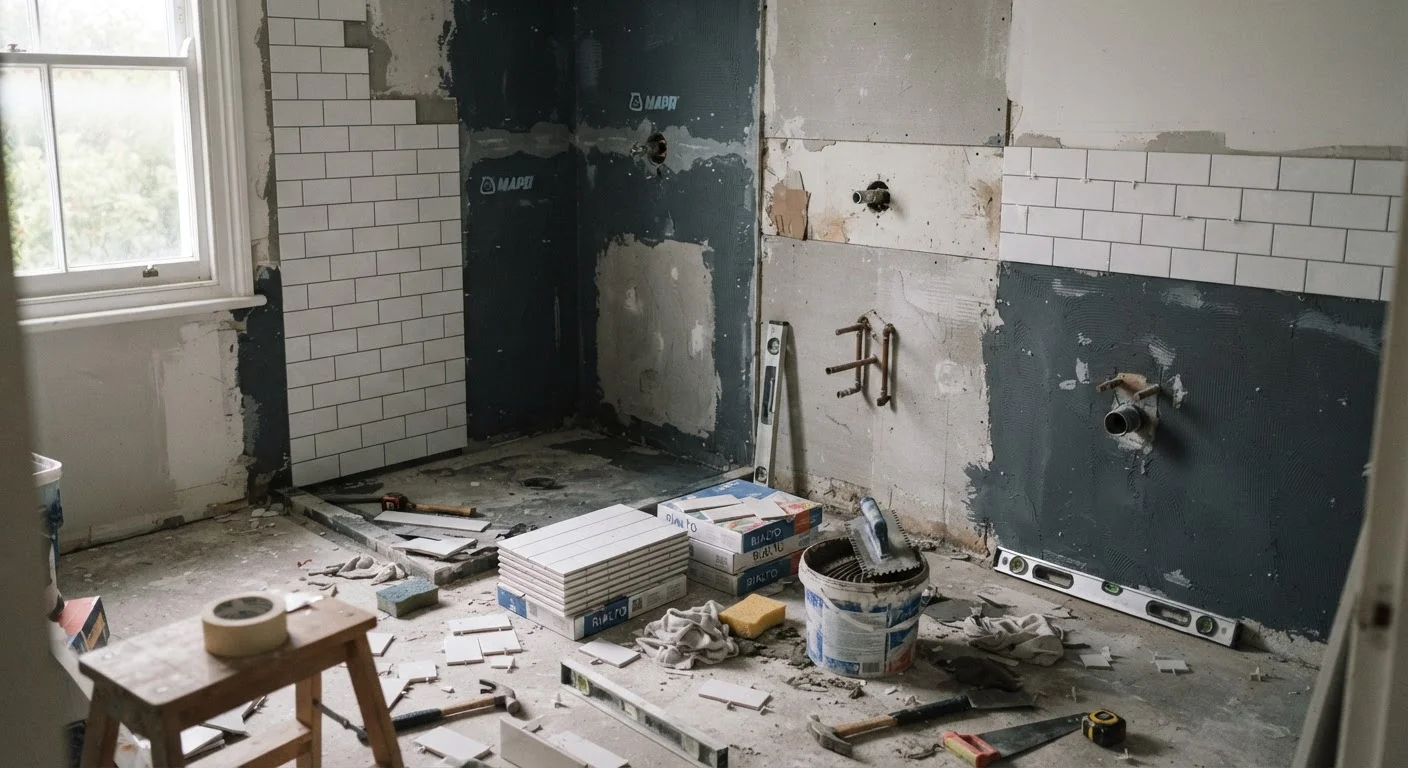
- Grout is not waterproof — skipping a proper membrane behind tile invites costly water damage.
- Larger tiles do not automatically make a small bathroom look bigger; layout and grout lines matter more.
- DIY bathroom plumbing changes often require permits and licensed work depending on your local code.
- Renovating a bathroom does not guarantee a full return on investment at resale.
- Cheap materials in wet zones frequently cost more in repairs than mid-grade options would have upfront.
Why Bathroom Renovation Myths Spread So Easily
Bathroom remodels rank among the most common home improvement projects in the US — and also among the most misunderstood. Advice passed along from contractors, neighbors, and home improvement television has created a thick layer of folklore around what works, what saves money, and what's safe to skip. The problem is that acting on a myth in a wet, structurally sensitive space like a bathroom can mean mold behind walls, failed tile, or plumbing that doesn't meet local code.
Understanding what's true — and what's just renovation lore — is one of the most practical things a homeowner can do before a project begins. If you're also navigating the financial side of a renovation, it's worth reading how financial myths can quietly derail your plans, since budget misconceptions compound project ones.
Myth
Grout seals the wall against water, so a separate waterproofing membrane isn't necessary in shower areas.
Fact
Grout is porous by nature and absorbs water. A dedicated waterproofing membrane behind the tile substrate is essential in any shower or wet zone.
This is one of the most expensive myths in bathroom renovation. Grout — even sealed grout — allows moisture to pass through over time. Without a membrane applied to the substrate (cement board or similar) before tiling, water infiltrates the wall assembly, leading to mold growth, rotted framing, and failed tile adhesion. The cost to rip out tile, replace substructure, and re-tile is almost always far greater than the cost of proper waterproofing upfront. Industry standards such as those outlined by the Tile Council of North America specify membrane requirements for wet areas. Skipping this step to save a few hundred dollars routinely results in thousands in repairs within a few years.
Myth
Using large-format tiles in a small bathroom makes the space feel bigger.
Fact
Tile size alone doesn't determine perceived spaciousness. Layout direction, grout line width, and color contrast have more measurable impact on how large a room reads.
The idea that bigger tiles equal a bigger-feeling room is a simplification that's been repeated so often it's accepted as fact. In practice, a large tile in a very small bathroom can make the space feel heavy or disconnected, especially if cuts are awkward or the pattern doesn't align well with fixtures. What genuinely influences spatial perception includes: lighter grout colors that reduce visual fragmentation, tiles laid on a diagonal to draw the eye outward, and consistent flooring that extends into adjacent spaces without a transition strip. Large tiles can work well in small bathrooms, but only when the layout is planned carefully — not simply because they're large.
Myth
You don't need a permit to retile or update fixtures since it's just cosmetic work.
Fact
Permit requirements vary by municipality, but plumbing changes, moving fixtures, or altering drain locations typically require permits and inspections regardless of how cosmetic they appear.
"Cosmetic" is not a defined legal category in most building codes. What looks like a simple fixture swap — replacing a toilet in a new location, rerouting a drain, or changing shower valve type — may require a plumbing permit, an inspection, and in many jurisdictions, work performed by a licensed plumber. Unpermitted work can create problems when selling a home, complicate homeowner's insurance claims, and leave homeowners liable for code violations. Always check with your local building department before assuming a bathroom task is permit-free. For deeper context on what your water system involves, understanding plumbing basics is a useful starting point.
Myth
A bathroom renovation will always recoup its full cost — or more — when you sell your home.
Fact
Bathroom remodels typically recoup a portion of their cost at resale, not the full amount, and returns vary widely based on scope, quality, and local market conditions.
The idea that renovation spending translates directly into home value is persistent but misleading. Industry cost-vs-value data consistently shows that mid-range bathroom remodels recoup somewhere in the range of 60–70% of their cost at resale on average — and that figure fluctuates with local market conditions. High-end remodels frequently recoup even less. This doesn't mean renovation is a bad idea — improved livability, updated systems, and buyer appeal all have real value — but going into a project expecting a dollar-for-dollar return often leads to overspending on finishes that don't move the needle. Treat renovation cost recovery as a general financial consideration, not a guaranteed investment return.
Myth
Cheaper tiles and fixtures save money on a bathroom remodel.
Fact
In wet zones, lower-cost materials often have shorter lifespans and higher maintenance demands, frequently costing more over time than mid-grade alternatives.
Budget materials have a place in renovation, but bathrooms present an environment that tests material quality constantly — humidity, temperature swings, cleaning chemicals, and daily mechanical use. Extremely low-cost floor tiles often lack the slip resistance, density, or glaze durability suited for wet areas. Similarly, bargain-tier faucets and valves can fail within a few years, requiring replacement that costs more in labor than the original fixture savings. The practical approach is to identify where quality matters most — tile substrate, waterproofing, valve bodies, and grout quality — and allocate budget there, while being more flexible on decorative elements like mirrors or towel bars that don't face the same functional demands.
Planning Mistakes That Stem from These Myths
Most costly bathroom renovation errors don't happen with a hammer — they happen on paper, before work begins. Homeowners who believe grout is waterproof skip membrane installation. Those who assume all tile work is permit-free skip the inspection step entirely. Both decisions can result in expensive remediation down the road.
Don't Tile Over Existing Moisture Problems
One of the most common — and costly — mistakes in bathroom renovation is installing new tile over walls or floors that already have moisture infiltration. New tile will not stop an existing leak; it simply conceals it while the damage continues behind the surface. Before any tile work begins, inspect for soft spots in the subfloor, discoloration at grout lines, and musty odors that may indicate mold. If you find evidence of water intrusion, address the source and allow full drying before proceeding. See our guide on spotting water damage for what to look for.
Before finalizing any scope of work, familiarize yourself with the terminology contractors will use. Our home renovation glossary breaks down terms like "rough-in," "backer board," and "change order" so you can engage confidently with your contractor and catch scope gaps early.
Renovation timelines are another area where myths cause real damage. Many homeowners plan around an optimistic schedule and are caught off guard by delays — a problem so common it deserves its own attention. See why renovation timelines almost always run long for a grounded look at causes and how to buffer against them.
If you're working with a smaller footprint, design logic shifts considerably. The strategies for small bathroom renovations guide covers layout principles and fixture choices that apply specifically to compact spaces — separate from the general advice that applies to larger bathrooms.
Water damage is also a recurring consequence of myth-driven decisions. Spotting water damage early can help you determine whether an existing issue needs addressing before new tile goes over it — a critical step that's easy to miss when the surface looks intact.
This article is intended for general informational and educational purposes. Local building codes, permit requirements, and construction standards vary significantly. Always consult a licensed contractor or local building authority before beginning any renovation work.