

Health & Wellness

Grocery Shopping With Nutrition in Mind: A Weekly Walkthrough

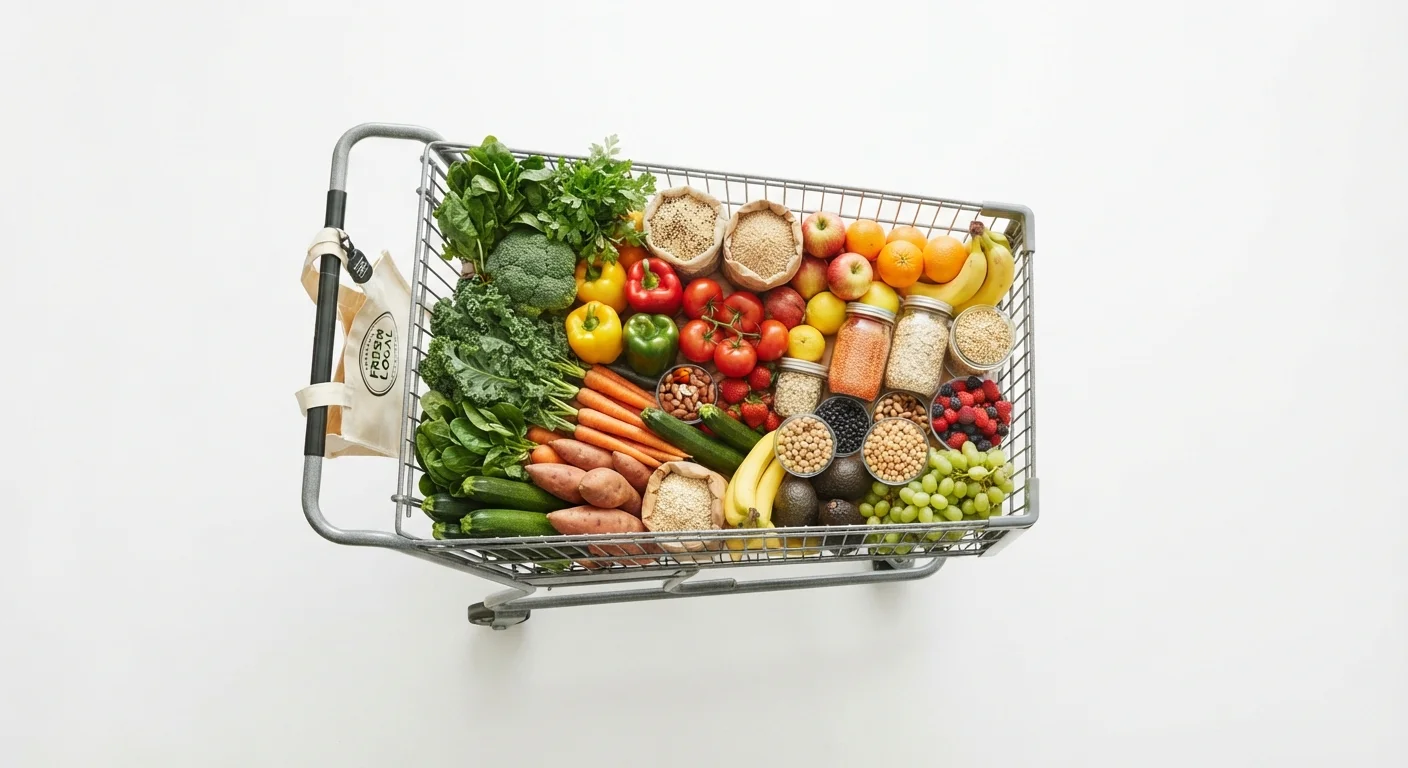
Overhead view of a grocery cart filled with colorful fresh produce, whole grains, and legumes.

Key Takeaways

  • Shopping by department reduces impulse purchases and keeps nutritional goals on track.
  • A mostly whole-food cart doesn't require a premium budget — strategic staples keep costs manageable.
  • Frozen and canned produce count as legitimate nutritional options, not compromises.
  • Reading labels before shopping prevents misleading 'health' packaging from steering choices.
  • Meal planning before you shop significantly reduces food waste and improves nutritional consistency.
20–40 min

Summary

28 items · 20–40 minutes

Why Nutrition Belongs in the Cart Before You Leave the House

Most nutrition decisions happen before the first item goes into your cart. The layout of a typical grocery store — impulse displays near entrances, processed snacks at eye level, checkout candy — is engineered to override intention. A department-by-department checklist puts a simple counterweight in your hands.

This walkthrough is designed for everyday Americans navigating real constraints: moderate budgets, limited prep time, and a mix of cooking skill levels. It does not prescribe a specific diet or calorie target. Rather, it highlights the kinds of foods that nutrition science broadly associates with long-term health, organized so you can move through the store efficiently and confidently.

Before heading out, it helps to have a rough plan for the week's meals. If you haven't built that habit yet, our beginner's guide to meal planning walks through how to set realistic expectations and build flexibility into your routine. Knowing what you'll cook determines how much of each item you actually need — which is one of the most effective ways to reduce waste and overspending.

Also worth reviewing before you shop: how to read a nutrition label. Packaging claims like "multigrain," "low-fat," or "natural" don't always reflect meaningful nutritional value, and understanding what's behind them keeps you in control of your choices.

Before You Leave Home

Review what's already in your refrigerator, freezer, and pantry to avoid buying duplicates and to plan meals around what needs to be used first. Must
Write a meal-based list rather than a general ingredient list so every item you buy has a clear purpose in at least one meal. Must
Set a rough budget per trip to anchor your decisions and reduce impulse spending on less nutritious options. Should
Eat a light snack before shopping — research consistently shows that shopping while hungry correlates with higher-calorie, lower-nutrient purchases. Should

Produce Section

Choose at least three different colored vegetables to reflect a range of vitamins, minerals, and antioxidants — variety in color is a practical shorthand for nutritional diversity. Must
Include at least one dark leafy green such as spinach, kale, or collard greens, which are associated with folate, vitamin K, and fiber intake. Must
Select two to three types of fruit, prioritizing whole fruit over juice, which typically contains less fiber and more concentrated sugar. Should
Pick up a bag of frozen vegetables as a backup — flash-freezing preserves most nutrients and keeps your options open on nights when fresh produce runs out. Should

Proteins (Meat, Seafood, Dairy, Plant-Based)

Include at least one plant-based protein source — dried or canned legumes such as lentils, chickpeas, or black beans are among the most affordable and nutritionally dense options available. Must
Choose eggs as a versatile, budget-friendly protein that also provides choline, B vitamins, and fat-soluble nutrients. Should
Select fish or seafood at least once per shopping cycle; fatty fish such as salmon, sardines, or mackerel are recognized sources of omega-3 fatty acids. Should
If purchasing dairy, opt for plain, lower-added-sugar versions of yogurt rather than flavored varieties, which can carry significant added sugar loads. Should
When buying meat, look for leaner cuts when feasible, and be aware that processing methods (curing, smoking, heavy salting) are factors many health guidelines flag in relation to processed meat consumption. Nice to have

Grains and Starches

Choose whole grain versions of bread, pasta, rice, and cereals rather than refined equivalents — the fiber and micronutrient differences are meaningful over time. Must
Stock at least one minimally processed whole grain such as rolled oats, brown rice, farro, or barley to serve as a flexible meal base. Must
Check ingredient lists on packaged grain products: whole grain should appear as the first ingredient, and added sugar content in cereals is worth reviewing. Should

Pantry and Shelf-Stable Staples

Keep a supply of canned or dried legumes (beans, lentils, split peas) as a low-cost protein and fiber foundation for soups, salads, and grain bowls. Must
Purchase low-sodium canned tomatoes, broth, or other canned vegetables to extend meal variety without sacrificing nutritional value. Should
Stock a small variety of nuts and seeds — unsalted when possible — for use as snacks or meal additions that provide healthy fats and protein. Should
Choose olive oil or another liquid plant oil for everyday cooking rather than solid fats, in keeping with broadly supported dietary guidance. Should
Add herbs and spices — dried or fresh — to reduce reliance on salt and added sauces as primary flavor sources. Nice to have

Beverages

Prioritize water, plain sparkling water, or unsweetened beverages as your primary drink source for the week. Must
Limit sugar-sweetened beverages, including sports drinks, sodas, and fruit cocktails, which are consistently associated with excess added sugar intake in national dietary surveys. Must
If purchasing juice, select 100% juice in small quantities rather than juice drinks or cocktails, which typically contain added sugars and little fruit content. Nice to have

At the Register and Before Putting Away

Scan your cart before checking out to identify any impulse additions that don't align with your list — it's a low-effort quality check. Nice to have
Store perishables promptly and at correct temperatures at home to preserve both food safety and nutritional quality. Must
Pre-wash and prep vegetables shortly after arriving home when energy permits — accessibility matters: produce that's ready to use gets used. Nice to have

Making the List Work in a Real Kitchen

Completing a well-stocked cart is only part of the equation. Nutritional intent at the store only holds if those ingredients translate into meals during the week. A few principles help bridge that gap.

Buy what you'll actually use. Fresh herbs, specialty grains, and exotic vegetables are genuinely nutritious — but only if they don't wilt in the back of the fridge. Frozen vegetables are nutritionally comparable to fresh and dramatically reduce waste, making them a practical cornerstone for busy households. If you want to expand your vegetable variety without overhauling your cooking habits, see our practical guide to eating more vegetables for low-friction strategies.

Balance variety with simplicity. A cart stocked with five different protein sources sounds impressive, but may lead to spoilage and decision fatigue. Rotating two or three options weekly — eggs, canned fish, and dried lentils one week; chicken thighs, Greek yogurt, and black beans the next — creates variety over time without complexity in any single week.

Watch for patterns that undercut good intentions. Even a nutritionally strong cart can be eroded by habits that develop afterward — over-relying on packaged items labeled "healthy," skipping breakfast and overcompensating later, or letting pantry staples sit unused in favor of takeout. Our article on nutrition habits that quietly undermine a healthy diet covers common patterns worth knowing about.

Packaged 'Health' Foods Can Mislead

Terms like "natural," "multigrain," "low-fat," and "made with whole grains" are not regulated in the same way as nutrient content claims, and products carrying them may still be high in added sugar, sodium, or refined ingredients. Always check the nutrition facts panel and ingredient list rather than relying on front-of-package messaging. Our nutrition label literacy guide covers what to look for in detail.

This article is for general informational and educational purposes only and is not a substitute for personalized medical or nutritional advice. Consult a qualified healthcare professional or registered dietitian before making significant changes to your diet, especially if you have an existing health condition.

Health & Wellness Editorial Team is the collective byline for our editorial team and contributor network. Articles published under this byline or an editorial pen name are researched, written, and reviewed according to our editorial standards for clarity, consistency, and independence before publication.

View all articles by Health & Wellness Editorial Team →
Disclaimer: The content provided on our blog site traverses numerous categories, offering readers valuable and practical information. Readers can use the editorial team’s research and data to gain more insights into their topics of interest. However, they are requested not to treat the articles as conclusive. The website team cannot be held responsible for differences in data or inaccuracies found across other platforms. Please also note that the site might also miss out on various schemes and offers available that the readers may find more beneficial than the ones we cover.