

Why the Nutrition Facts Panel Is Your Starting Point
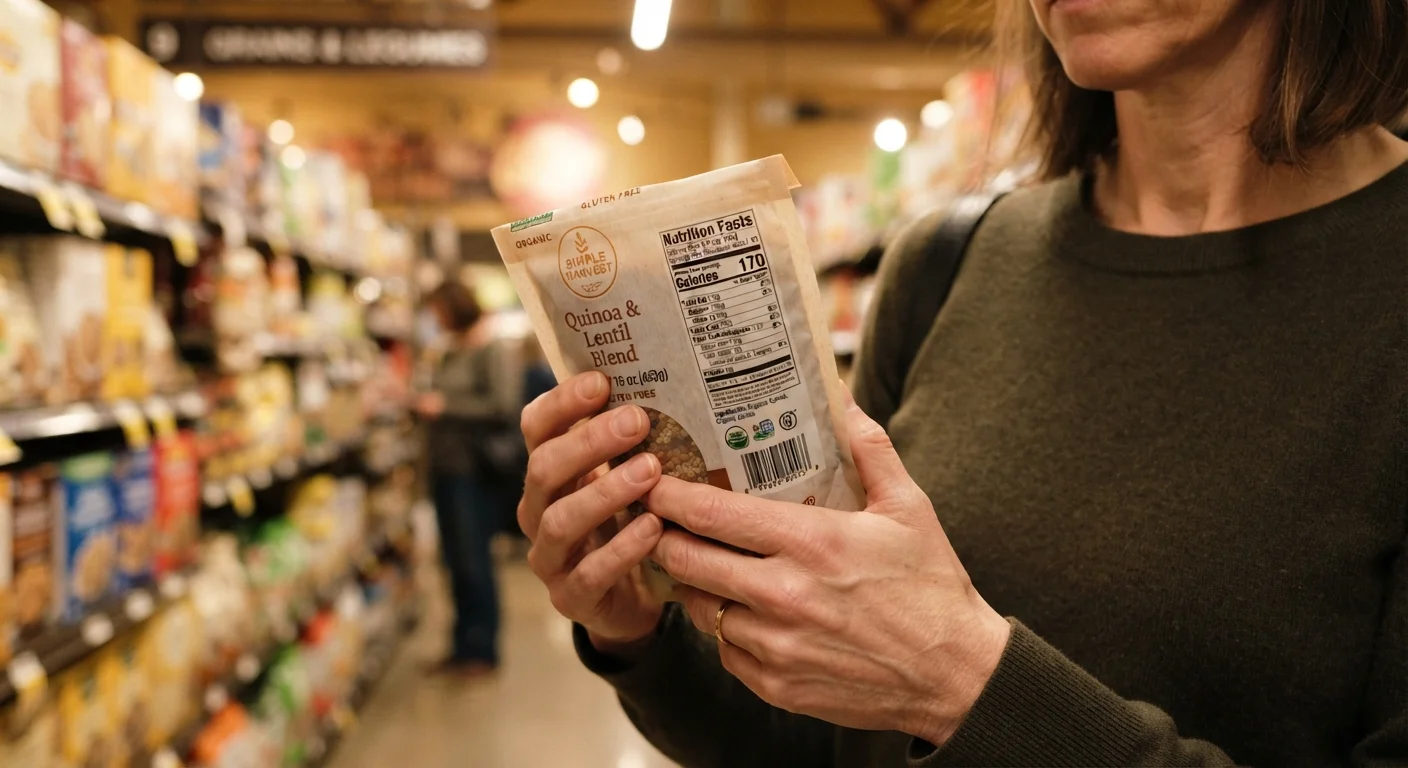
The Nutrition Facts panel - that standardized black-and-white box required on most packaged foods in the U.S. - contains a lot of useful information, but it can be genuinely confusing if you don't know what to prioritize. The Food and Drug Administration (FDA) updated its label format in recent years to reflect current nutrition science, including larger print for calorie counts and the addition of added sugars as a distinct line item.
Before you scan any specific number, start with serving size. Every value on the label - calories, sodium, fat, everything - applies to that listed serving, not the entire package. A bag of crackers that appears to contain 140 calories might list a serving size of 11 crackers. If you eat 22, you've consumed 280 calories. This single step catches many readers off guard.
Once you've anchored to serving size, calorie counts give you a rough sense of energy density - but they tell only part of the story. For a fuller picture of why calorie figures alone can be misleading, see why calorie counts don't tell the full nutritional story.
Decoding Percent Daily Value and Nutrient Lines
The % Daily Value (%DV) column tells you how much a nutrient in one serving contributes to a general 2,000-calorie daily diet. A rough rule of thumb: 5% DV or less is considered low for a nutrient; 20% DV or more is considered high. Use this to quickly gauge whether a food is a meaningful source of something you want more of - or less of.
- Nutrients to limit: Saturated fat, sodium, and added sugars are the three most commonly flagged by public health guidance. High intake of each has been associated with elevated risk for cardiovascular and metabolic conditions.
- Nutrients to seek: Dietary fiber, vitamin D, calcium, iron, and potassium are nutrients many Americans fall short on. A product with 15-20% DV of fiber, for example, is a genuinely good source. Learn more about this gap in our article on fiber, the nutrient most Americans fall short on.
Serving Size
The standardized amount of food used as the basis for all nutrient values on the Nutrition Facts label. It reflects how much people typically eat in one sitting, according to FDA reference amounts.
Percent Daily Value (%DV)
A percentage showing how much a nutrient in one serving contributes to a general 2,000-calorie daily diet. It helps compare foods and assess whether a nutrient level is high or low.
Added Sugars
Sugars and syrups added to foods during processing or preparation, distinct from naturally occurring sugars found in fruit or dairy. Listed separately on updated Nutrition Facts labels.
Saturated Fat
A type of dietary fat found mainly in animal products and some tropical oils. Public health guidance generally recommends keeping intake relatively low as part of a heart-healthy diet.
Dietary Fiber
The indigestible portion of plant foods that supports digestive health and has been associated with reduced risk of several chronic conditions. Many U.S. adults consume less than recommended amounts.
Nutrient Density
A measure of how many beneficial nutrients a food provides relative to its calorie content. Nutrient-dense foods offer vitamins, minerals, and fiber without excessive added sugars, sodium, or saturated fat.
It's worth noting that %DV is based on general population guidelines and may not align with your individual health needs. Always consult a qualified healthcare professional before making significant dietary changes based on label data alone.
The Ingredients List: Reading Beyond the Front of the Package
Ingredients are listed in descending order by weight - whatever appears first is present in the greatest amount. If sugar (or one of its many aliases: high-fructose corn syrup, cane juice, dextrose, maltose) appears in the first two or three positions, sugar is a dominant ingredient regardless of what the front label claims.
This matters because front-of-package marketing language - terms like natural, wholesome, light, or made with whole grains - is largely unregulated or holds a narrower legal definition than consumers often assume. A product can be labeled made with whole grains even if whole grains appear late in the ingredient list, meaning they're present in a relatively small amount. This is one of the nutrition habits that quietly undermine an otherwise healthy diet - over-relying on front-label health claims.
Shorter ingredient lists aren't automatically better, but they can be a useful heuristic. When you can recognize most of what's listed, it's generally easier to assess what you're eating. Cross-referencing ingredient patterns with established nutrition frameworks can help you build a more consistent grocery routine.
This article is for general informational purposes only and does not constitute medical or dietary advice. Consult a registered dietitian or qualified healthcare professional for guidance tailored to your individual health needs.