

Key Takeaways
- Two foods can have identical calorie counts but wildly different effects on hunger, blood sugar, and long-term health.
- Nutrient density - the amount of vitamins, minerals, and fiber per calorie - is a more complete measure of food quality.
- Protein and fiber both influence satiety significantly, making them important considerations beyond raw calorie totals.
- Ultra-processed foods are engineered to be calorie-dense but often low in nutrients that support health.
- Consulting a registered dietitian is the most reliable way to tailor dietary choices to your individual health needs.
Calorie
A calorie is a unit of measurement for energy - specifically, the amount of energy a food provides when your body metabolizes it. All foods with macronutrients (carbohydrates, protein, and fat) contain calories, and your body uses that energy to power everything from breathing to exercise. However, calories measure only energy content, not the vitamins, minerals, fiber, or other compounds a food delivers alongside that energy.
The "calories" listed on food labels are technically kilocalories (kcal). One food calorie equals 1,000 scientific calories, a distinction that rarely matters in everyday nutrition but is worth knowing.
The Problem With Reducing Food to a Number
Walk through any grocery store and you'll see calorie counts front and center - on packages, menus, and fitness apps. Calorie awareness has its place, but treating a single number as the definitive measure of a food's worth misses most of the nutritional picture.
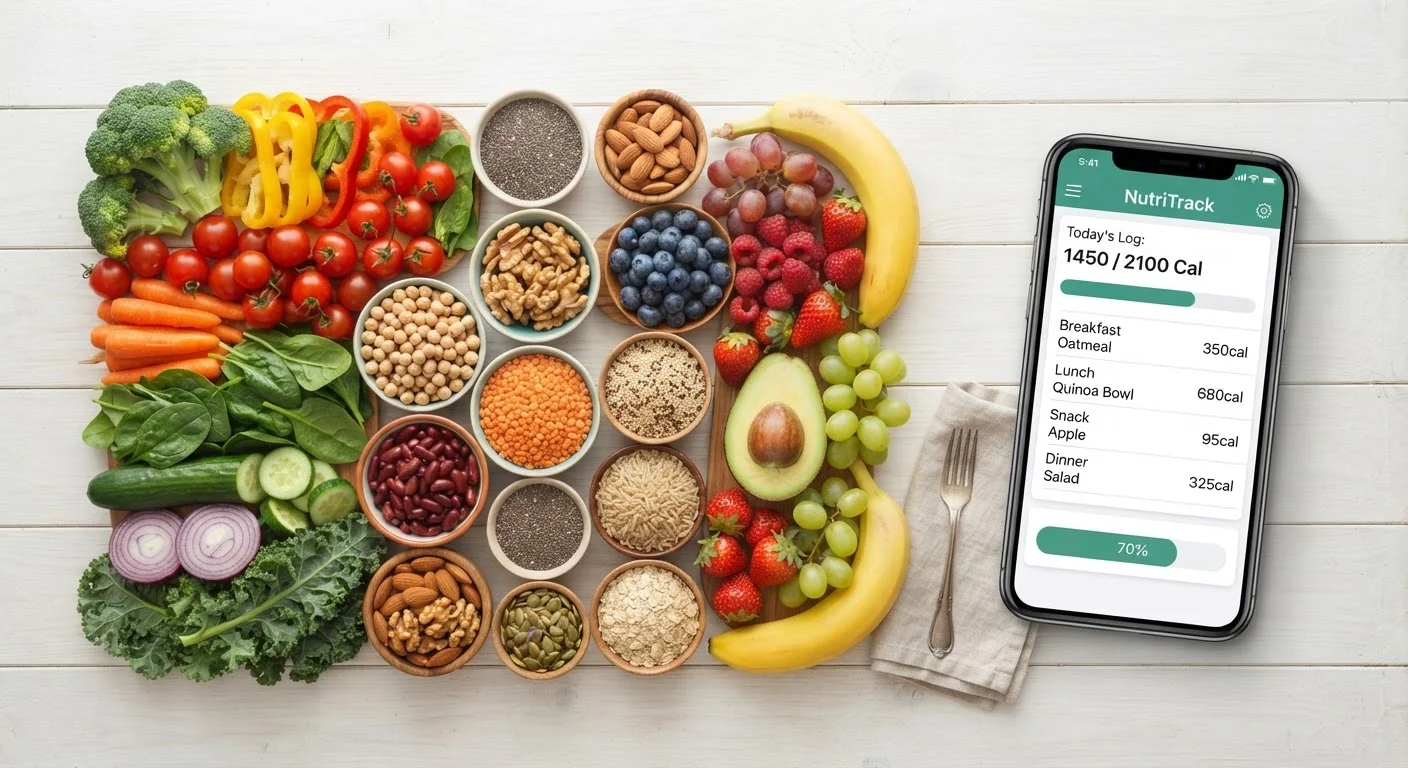
Consider two breakfasts: a 350-calorie bowl of oatmeal topped with berries and walnuts, and a 350-calorie glazed doughnut. By calorie count, they're identical. But one delivers substantial fiber, slow-digesting carbohydrates, antioxidants, and healthy fats. The other delivers primarily refined sugar and white flour, with minimal nutrients to show for it. The number on the screen tells you nothing about that gap.
This isn't a reason to dismiss calorie counting outright - energy balance does matter for weight management. But for long-term health, the quality and composition of what you eat carries weight that calorie totals simply can't capture. See our guide to reading nutrition labels for a practical look at what other numbers and terms on packaging are actually telling you.
Nutrient Density: What Calories Don't Capture
Nutritionists often use the concept of nutrient density to evaluate food quality. A nutrient-dense food delivers a meaningful amount of vitamins, minerals, fiber, and other beneficial compounds relative to its calorie count. A calorie-dense but nutrient-poor food does the opposite.
Leafy greens, legumes, whole grains, fish, and fruit rank high on nutrient density. They provide energy alongside fiber, B vitamins, potassium, magnesium, and antioxidants - compounds that support everything from cardiovascular health to immune function. Highly processed snack foods, on the other hand, may deliver plenty of calories while contributing little nutritionally beyond macronutrients.
~5%
US adults meeting daily fiber recommendations
Research published in the American Journal of Lifestyle Medicine has estimated that only a small fraction of US adults consume the recommended daily fiber intake, highlighting a widespread nutrient gap invisible on calorie labels.
57%
Average American diet made up of ultra-processed foods
A study published in BMJ Open estimated that ultra-processed foods account for more than half of caloric intake among US adults, underscoring why calorie totals alone don't reflect diet quality.
4x
Difference in satiety between protein and sugar
Research on macronutrient satiety indicates that protein activates fullness hormones significantly more effectively than simple carbohydrates, a distinction calorie counts do not reflect.
Fiber is a particularly instructive example. Most American adults fall significantly short of recommended fiber intake, despite fiber playing a documented role in digestive health, blood sugar regulation, and satiety. Yet fiber contains virtually no usable calories. A food's fiber content is invisible to a calorie counter. Our article on why fiber matters and how to get more of it explores this further.
Satiety: Why Some Calories Keep You Fuller Longer
Not all calories satisfy hunger equally. Protein, fiber, and water content all influence how full you feel after eating - a dynamic that pure calorie counts ignore entirely.
Protein has the highest thermic effect of any macronutrient, meaning the body burns more energy digesting it. It also stimulates satiety hormones more effectively than refined carbohydrates or fat. Foods high in fiber and water volume - like vegetables, legumes, and whole fruit - physically fill the stomach and slow digestion, extending the feeling of fullness.
By contrast, many ultra-processed foods are specifically formulated to be highly palatable and easy to eat quickly, with textures and flavor combinations that can work against natural fullness cues. The result is that their calories may not register as satisfying in the same way, even when the energy content is identical to a whole-food alternative.
Think in terms of food quality, not just quantity
When evaluating what to eat, try asking: 'What does this food deliver beyond energy?' Foods that provide fiber, protein, vitamins, and minerals alongside their calories tend to support health more effectively than those that deliver calories alone. This isn't about perfection - it's about building a pattern over time.
Understanding how the body uses energy throughout the day goes beyond meals, too. Non-exercise activity thermogenesis (NEAT) - the energy your body burns through everyday movement like walking, fidgeting, and standing - accounts for a meaningful portion of total daily energy expenditure, another dimension calorie labels on food packages don't address.
Putting It Into Practice
None of this means you need to memorize nutritional databases or overhaul your diet overnight. A few practical shifts in how you think about food quality can make a meaningful difference over time.
- Look beyond the calorie line on nutrition labels - check fiber, protein, and sodium, and scan the ingredient list for whole-food ingredients near the top. Our look at common nutritional habits that undermine health covers patterns worth being aware of.
- Prioritize whole and minimally processed foods as the foundation of most meals. These tend to be naturally higher in nutrients and more satisfying per calorie.
- Pay attention to hunger and fullness cues alongside any calorie tracking. How a food makes you feel in the hours after eating is real, useful information.
Food and nutrition science is complex, and individual needs vary considerably based on health status, activity level, age, and other factors. For personalized guidance, a registered dietitian is the most reliable resource.
This article is for general informational and educational purposes only and does not constitute medical or dietary advice. Consult a qualified healthcare professional or registered dietitian before making changes to your diet, especially if you have an existing health condition.