

Key Takeaways
- Tipping is expected in the US but can be considered rude or confusing in many other countries.
- Speaking loudly in public is a culturally specific habit that draws negative attention in many destinations.
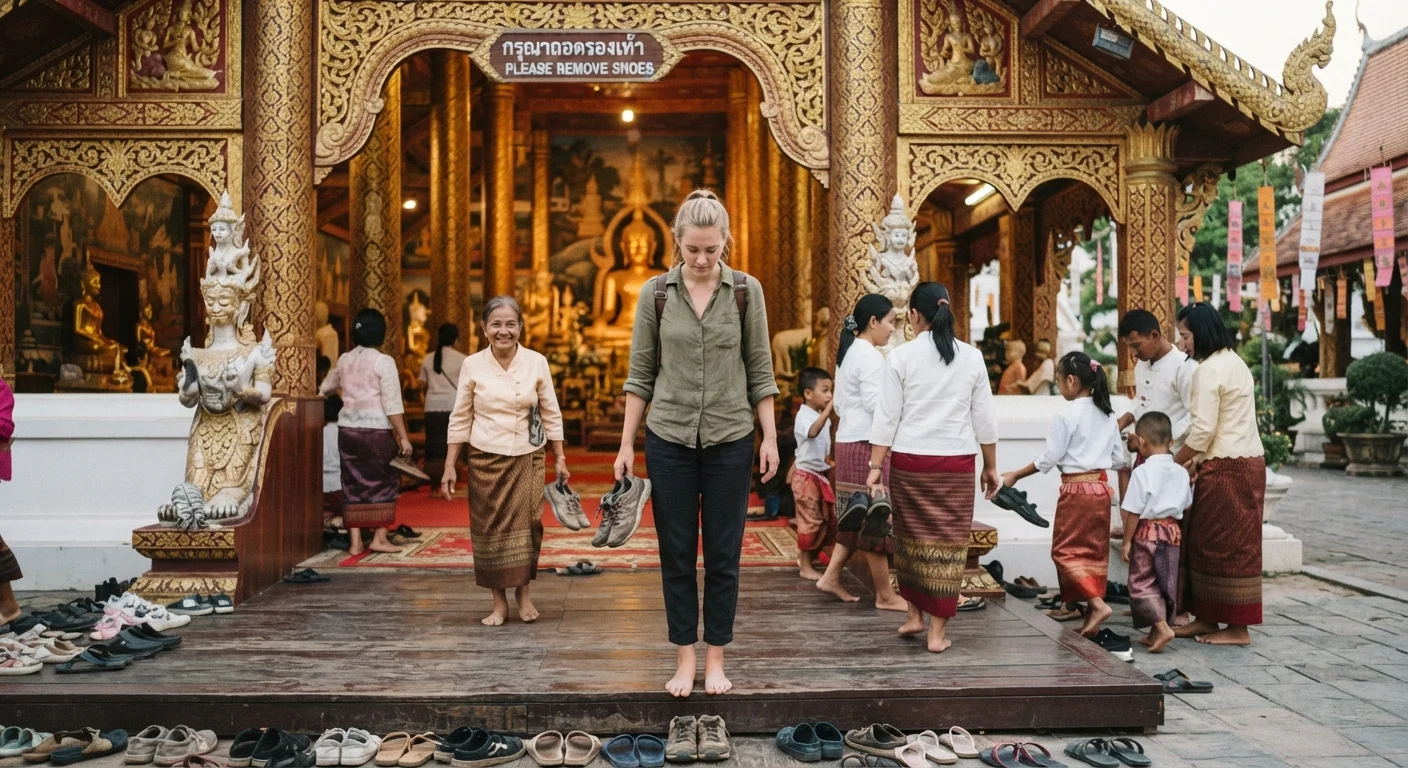
- Dress codes at religious sites, restaurants, and public spaces vary widely and are strictly observed.
- Assuming English will always be understood can create friction and come across as dismissive.
- Personal space norms and physical greetings differ dramatically by region and context.
Why Cultural Missteps Happen — and Why They Matter
Most cultural missteps by American travelers aren't intentional — they're the result of applying home-country habits to unfamiliar environments without pausing to question whether those habits translate. The US has a distinct culture with its own norms around service, volume, dress, and social interaction. Those norms feel like common sense until you're somewhere they don't apply.
The consequences range from mild awkwardness to genuine offense — and occasionally to legal complications in countries with stricter conduct laws. Understanding why these missteps happen is the first step toward avoiding them. Cultural norms vary dramatically by region, and a single trip that crosses multiple countries may require real behavioral adjustments at each stop.
Tipping automatically in countries where it isn't customary — or where it causes confusion and mild offense.
Why it happens: Tipping is so deeply embedded in American dining and service culture that most US travelers apply it reflexively, without considering that the practice doesn't translate globally.
Speaking at an American conversational volume in public spaces, restaurants, and transportation.
Why it happens: Volume norms are absorbed unconsciously — Americans often aren't aware of how loudly they speak until it's pointed out. Open, animated conversation is socially accepted and even encouraged in US settings.
Wearing casual or revealing clothing at religious sites, historic monuments, or modest-dress communities.
Why it happens: Many US travelers pack for comfort and assume that intent — being a respectful tourist — matters more than appearance. In practice, dress functions as a form of respect in many cultures.
Assuming English will be spoken and understood everywhere, without making an effort in the local language.
Why it happens: English is widely taught globally, and in major tourist areas it often is spoken — which can reinforce the assumption that no linguistic effort is needed anywhere.
Disregarding queuing etiquette, personal space norms, or greeting customs specific to the destination.
Why it happens: Social rituals around queuing and greetings feel intuitive within one's home culture, making it easy to overlook that the expected behaviors differ meaningfully elsewhere.
Photographing people, religious ceremonies, or sensitive sites without asking permission.
Why it happens: Travel photography has become normalized and expected, and many travelers treat local people and spaces as backdrop elements rather than subjects deserving consent.
Building Cultural Awareness Into Your Travel Routine
Cultural preparation doesn't require an anthropology degree — it requires curiosity and a small amount of dedicated research. Before any international trip, spending 30 to 60 minutes reading about social customs, dress expectations, tipping practices, and common taboos for your specific destination will make a measurable difference in how you're received.
Research Entry and Conduct Rules Before You Go
Some cultural missteps — photographing military or government buildings, displaying affection in public, or entering religious sites improperly dressed — can result in fines or legal consequences in certain countries. Always verify local laws and customs through official government travel advisories (such as travel.state.gov) before departure. Cultural sensitivity is not just about courtesy; in some destinations, it has real legal weight.
Reliable sources include official tourism boards, travel advisories from the US State Department, and long-form destination guides that address etiquette explicitly. Pay particular attention to religious site protocols, gesture meanings, and any behaviors that are locally considered disrespectful but aren't obvious to outsiders.
If you're also preparing for the practical logistics of an international trip, packing essentials for international travel and understanding how currency exchange works are equally worth addressing early. Cultural awareness and logistical preparation work together — both reduce friction and both help you show up as a more capable, respectful traveler.
Don't Assume Social Norms Are Universal
Behaviors that feel entirely ordinary in American daily life — a firm handshake, a thumbs-up gesture, or sitting with the soles of your shoes visible — can carry very different meanings elsewhere. In parts of the Middle East and Southeast Asia, showing the sole of your shoe is considered deeply disrespectful. In Greece, the open-palm wave known as the 'moutza' is an insult. Brief destination-specific research pays outsized dividends in how you'll be received.
The goal isn't to erase your identity as an American traveler or perform an imitation of local culture. It's to approach each destination on its own terms — curious, observant, and genuinely willing to adapt.