

Key Takeaways
- An emergency fund covers unexpected expenses only — not planned costs or routine bills.
- Three to six months of essential living expenses is the widely cited target range for most households.
- Single-income households or those with variable income may benefit from a larger cushion of six to twelve months.
- Keeping the fund in a liquid, insured account makes it accessible when you need it most.
- Even a small starter fund of $500–$1,000 reduces reliance on high-interest debt during a crisis.
- Building the fund gradually with automatic transfers is a proven, sustainable approach.
Emergency Fund
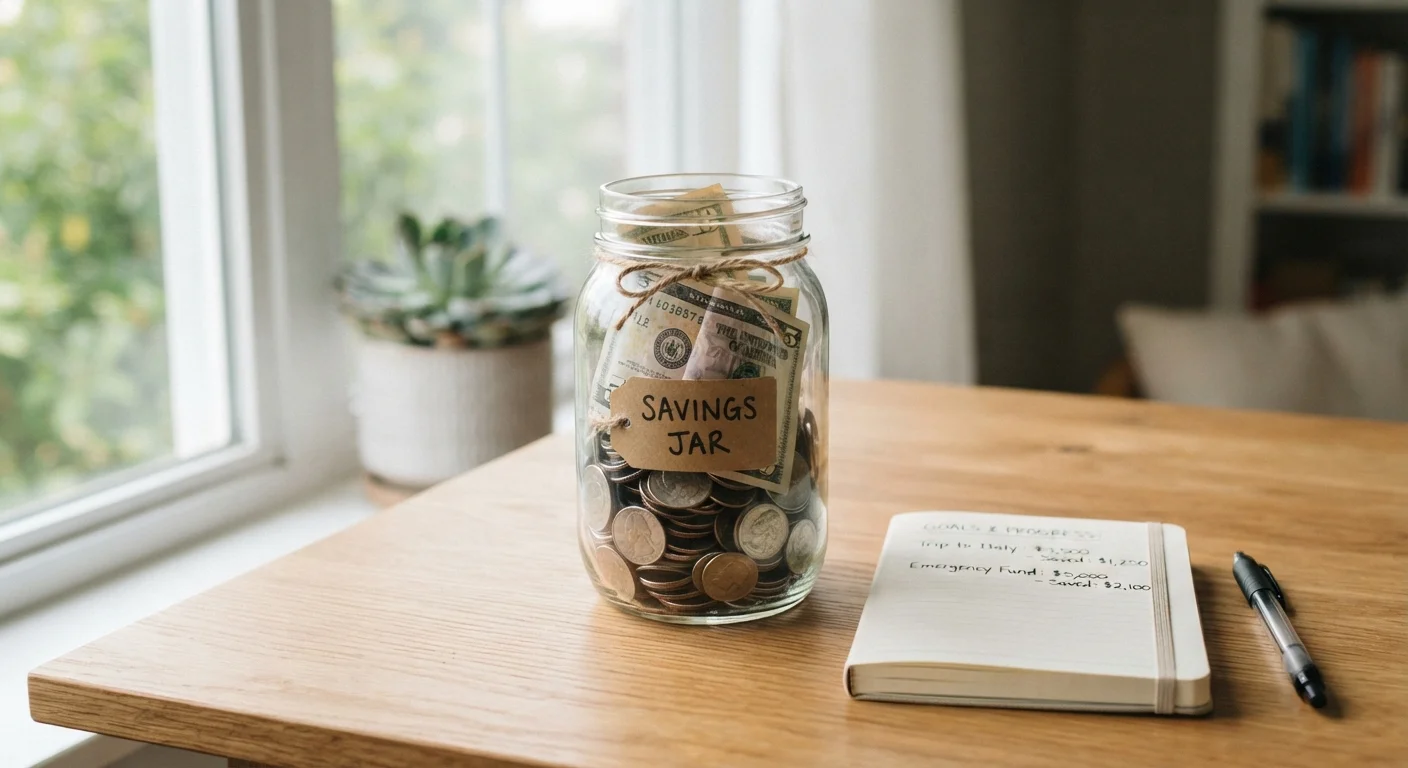
An emergency fund is a dedicated pool of savings set aside exclusively for unexpected, necessary expenses — such as a sudden job loss, a major car repair, or an urgent medical bill. Unlike regular savings, it is not meant for planned purchases or routine costs. The purpose is to cover financial shocks without taking on new debt or disrupting your broader financial plan.
Most personal finance guidance, including recommendations from the Consumer Financial Protection Bureau (CFPB), treats the emergency fund as a liquid, easily accessible reserve — typically held in a federally insured savings account — rather than invested in assets subject to market fluctuation.
What an Emergency Fund Actually Does
An emergency fund acts as a financial firewall between an unexpected crisis and your everyday budget. When an urgent, unplanned expense arises — a layoff, a burst pipe, an ER visit — the fund absorbs the shock so you don't have to reach for a credit card, drain a retirement account, or borrow from family.
This distinction matters enormously. High-interest debt taken on in a crisis doesn't disappear when the crisis ends; it lingers for months or years, compounding the financial damage. A cash buffer breaks that cycle before it starts.
It's worth being clear about what an emergency fund is not. It isn't a general savings account, a vacation fund, or a home-improvement reserve. Those goals are better served by targeted accounts sometimes called sinking funds. For a deeper look at how these two tools differ, see how sinking funds and emergency funds compare.
Emergency Fund vs. Sinking Fund: A Quick Distinction
An emergency fund and a sinking fund are both savings tools, but they serve completely different purposes. An emergency fund is for unpredictable, urgent needs you can't anticipate. A sinking fund is for predictable future expenses you know are coming — like annual insurance premiums, holiday spending, or a planned home repair. Mixing the two can leave you underprepared for genuine emergencies. See how sinking funds work for more on that tool.
How Much Is Actually Enough?
The most widely repeated guideline — three to six months of essential living expenses — is a reasonable starting point, but it requires some interpretation. "Essential expenses" means what you truly need to keep your household running: housing, utilities, food, transportation, insurance premiums, and minimum debt payments. Discretionary costs like dining out or streaming services don't belong in this calculation.
~4 in 10
US adults who couldn't cover a $400 emergency
According to the Federal Reserve's Report on the Economic Well-Being of US Households, a significant share of adults would struggle to cover an unexpected $400 expense using cash or savings.
3–6 months
Recommended essential expenses to save
The CFPB and most personal finance educators cite three to six months of necessary living costs as the standard emergency fund target for a working household.
6–12 months
Recommended range for single-income or variable-income households
Households with only one earner, self-employment income, or significant fixed obligations are commonly advised to maintain a larger cushion to offset higher income risk.
The right target varies by household circumstances:
- Dual-income households with stable employment often find three months adequate, since the loss of one income doesn't immediately eliminate all cash flow.
- Single-income households or self-employed individuals face more concentrated risk and typically benefit from six to twelve months of expenses.
- Households with dependents, chronic health conditions, or high fixed costs (large mortgage, older vehicles) may also lean toward the higher end.
If your current savings are well below these targets, don't let that be discouraging. Starting with a goal of $500 to $1,000 provides meaningful protection against smaller disruptions — a car repair or a minor medical bill — and builds the habit that makes reaching larger milestones possible.
Where to Keep It and How to Build It
The right account for an emergency fund prioritizes two things: liquidity and safety. You need to be able to access the money within one to two business days, and it should not be exposed to investment risk. A high-yield savings account at a federally insured bank or credit union is the most widely recommended vehicle. It earns modest interest, is protected up to FDIC or NCUA limits, and stays separate from your checking account — reducing the temptation to spend it.
Keeping the fund in a separate account from everyday money is not just a psychological trick. It creates a practical barrier that slows impulsive spending and makes it easy to track your progress toward your target.
Building the fund steadily is more reliable than trying to fund it all at once. Practical approaches include:
- Automate a fixed monthly transfer on payday before you can spend the money elsewhere.
- Direct windfalls — tax refunds, bonuses, cash gifts — partially or fully into the fund until the target is reached.
- Temporarily cut one or two discretionary expenses and redirect that amount to savings.
For readers who are just getting started with a formal savings strategy, the foundational steps to build a savings plan provides a useful framework for choosing accounts and setting consistent goals.
Automate Before You Can Spend It
Set up a recurring automatic transfer to your emergency savings account on the same day your paycheck arrives. Treating savings as a non-negotiable "bill" prevents the money from being absorbed into discretionary spending. Even a modest automatic transfer of $25 to $50 per paycheck builds meaningful reserves over time without requiring ongoing willpower.
Fitting the Emergency Fund Into a Broader Financial Plan
The emergency fund doesn't exist in isolation — it works alongside your debt repayment efforts, retirement contributions, and other savings goals. Most financial planning frameworks position it as a first-priority step, because without a cash buffer, any financial setback can unravel other progress you've made.
A common sequencing approach: build a starter emergency fund of $500 to $1,000, then tackle high-interest debt aggressively, then grow the emergency fund to its full three-to-six month target, then turn attention to longer-term goals like retirement. This isn't a rigid rule, but it reflects a logical order of financial risk management.
If you want to see how the emergency fund fits alongside other financial building blocks — from insurance to retirement contributions — the financial planning roadmap for US households offers a helpful end-to-end perspective. You can also explore how the emergency fund relates to other types of financial reserves in the guide to emergency funds, sinking funds, and cash reserves.
This article is for general informational and educational purposes only and does not constitute personalized financial advice. Consult a licensed financial professional for guidance tailored to your specific situation.