

Key Takeaways
- Watering midday causes rapid evaporation and can scorch wet foliage in direct sun.
- Shallow, frequent watering trains roots to stay near the surface, making plants drought-vulnerable.
- Overwatering is one of the most common causes of root rot and fungal disease in home gardens.
- Watering the soil - not the leaves - reduces disease pressure significantly.
- Different plant types, soil textures, and seasons require different watering schedules.
Why Watering Habits Matter More Than Volume
Most homeowners assume that if their plants look droopy, they need more water - and if they look healthy, they're getting enough. But watering habits are more nuanced than that. How and when you water often determines plant health far more than the total amount delivered.
Poor watering practices can mimic drought stress, invite disease, weaken root systems, and gradually decline plant vigor over an entire growing season - sometimes without any obvious single cause. Understanding the most common watering mistakes helps you course-correct before plants suffer lasting damage. For a broader look at seasonal plant care, see our end-of-season garden checklist.
Watering in the middle of the day.
Why it happens: Midday is often the most convenient time, and homeowners assume plants need water when temperatures peak and wilting appears.
Watering too shallowly and too frequently.
Why it happens: Brief daily watering feels attentive and responsible, but it only wets the top inch or two of soil.
Wetting foliage rather than watering the root zone.
Why it happens: Overhead sprinklers and hose wands often drench leaves as a byproduct of watering from above. Many gardeners also assume plants absorb water through their leaves.
Applying a one-size-fits-all schedule to all plants.
Why it happens: It's simpler to set a single timer or routine for the whole garden, regardless of what's planted where.
Overwatering during cooler or rainy periods.
Why it happens: Automated irrigation systems or habit-driven schedules often continue running regardless of recent rainfall or a drop in temperature.
Building Better Watering Habits
Correcting watering errors doesn't require expensive equipment - though the right delivery system helps. If you're weighing options, our guide to drip irrigation vs. sprinkler systems breaks down how each performs for typical home gardens.
Signs of Overwatering Are Easy to Misread
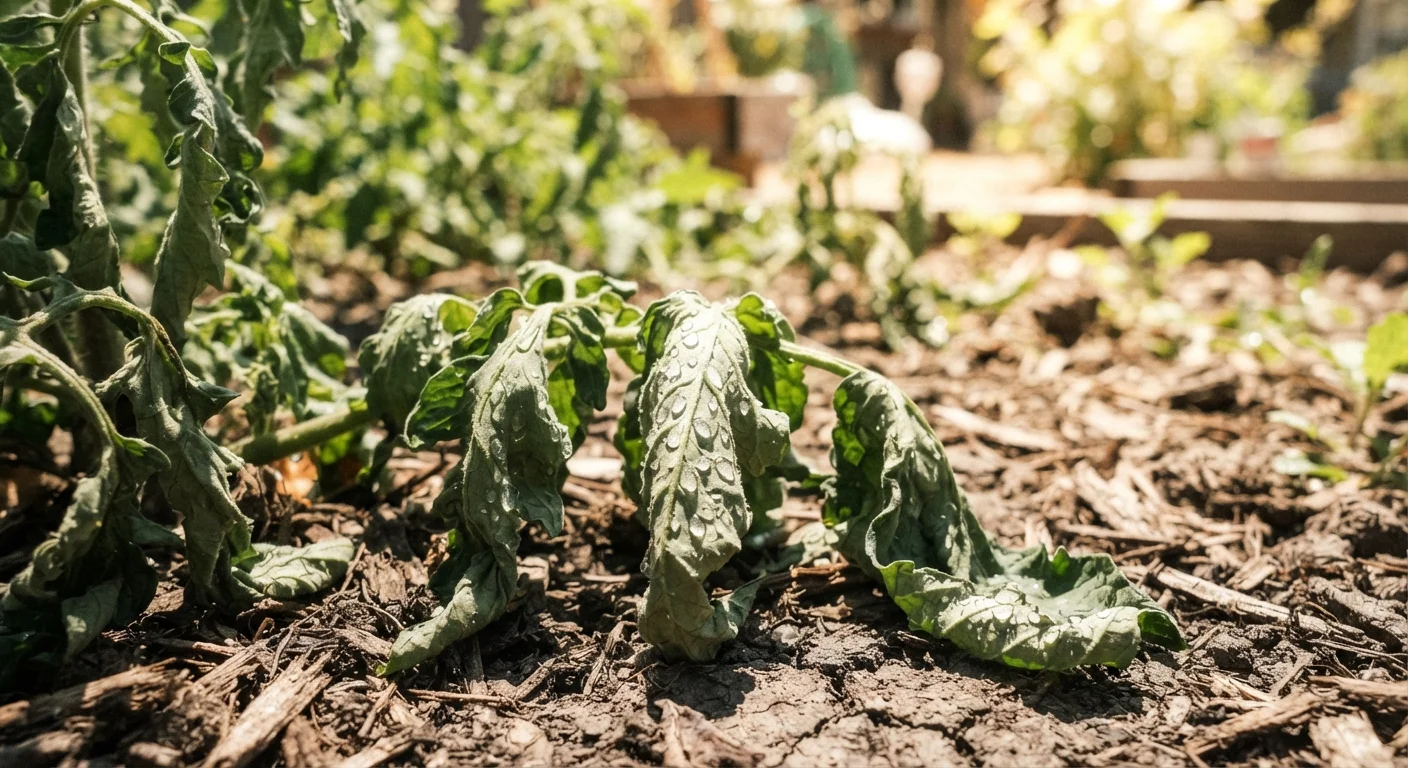
Yellowing leaves, wilting, and stunted growth are all symptoms of overwatering - not just underwatering. If your soil feels consistently soggy or your plants look stressed despite regular irrigation, reduce watering frequency and check drainage before assuming your plants need more water. Persistently waterlogged roots quickly become susceptible to rot and may not recover.
For most ornamental beds and vegetable gardens, the goal is deep, infrequent watering - typically one to two inches per week depending on soil type, plant species, and current weather. Sandy soils drain faster and may need slightly more frequent watering; dense clay holds moisture longer and needs less. Always check soil moisture a few inches below the surface before watering rather than following a rigid calendar schedule.
Plants adapted to your local conditions are naturally more forgiving of imperfect watering. Our overview of native plants for American home gardens highlights species that thrive with significantly less supplemental water once established.