

Key Takeaways
- Wellness exams cover 10+ distinct body systems, not just a general look-over.
- Vets use year-over-year comparisons to detect subtle changes that owners often miss at home.
- Dental disease, early organ dysfunction, and weight changes are frequently identified at routine visits.
- Vaccine and parasite prevention decisions are personalized to your pet's lifestyle and risk factors.
- Annual bloodwork is often recommended even for apparently healthy pets, especially as they age.
- Open conversation with your vet is a core part of the exam — come prepared with observations.
Annual Pet Wellness Exam
An annual wellness exam is a comprehensive head-to-tail physical assessment performed by a licensed veterinarian, typically once a year for adult pets. It goes well beyond checking whether your pet seems healthy on the surface — vets systematically evaluate organ function, body condition, dental health, and behavioral changes. The goal is to catch early signs of disease, update preventive care, and establish a health baseline over your pet's lifetime.
Veterinarians may recommend semi-annual exams for senior pets or those with known chronic conditions, as age accelerates physiological change and earlier detection significantly improves outcomes.
More Than a Quick Checkup
It's easy to think of an annual vet visit as a formality — a quick once-over to confirm your pet is doing fine. In reality, a wellness exam is a structured, systematic evaluation that gives your veterinarian a detailed picture of your animal's health at a specific point in time. Just as importantly, it creates a record that allows your vet to track changes year over year.
For pet owners who want to be proactive about their animal's care, understanding what actually happens during this visit makes you a better advocate in the exam room. This article walks through the core components of a standard wellness exam and explains why each one matters. For broader everyday care context, see the Pet Care Basics hub.
~80%
Dogs showing dental disease by age 3
According to the American Veterinary Medical Association, the majority of dogs develop some form of periodontal disease by age three, making dental assessment a critical part of annual exams.
1 in 3
Pets diagnosed with a serious illness annually
Veterinary industry data suggests approximately one in three pets will be diagnosed with a potentially serious condition each year, reinforcing the value of proactive wellness visits.
2x/year
Recommended exam frequency for senior pets
Many veterinary organizations recommend semi-annual wellness visits for dogs and cats considered senior (generally age 7 and older), as health status can change more rapidly with age.
The Physical Examination: A Head-to-Tail Assessment
The physical exam is the centerpiece of any wellness visit. Your vet will methodically assess multiple body systems, often in a consistent order so nothing is overlooked. Here's what that typically includes:
- Eyes and ears: Checked for signs of infection, discharge, cloudiness, or early indicators of conditions like glaucoma or ear mites.
- Mouth and teeth: Dental disease is one of the most under-recognized health problems in pets. Vets look for tartar buildup, gum inflammation, tooth fractures, and oral masses. Studies suggest that a significant majority of dogs and cats show signs of periodontal disease by age three.
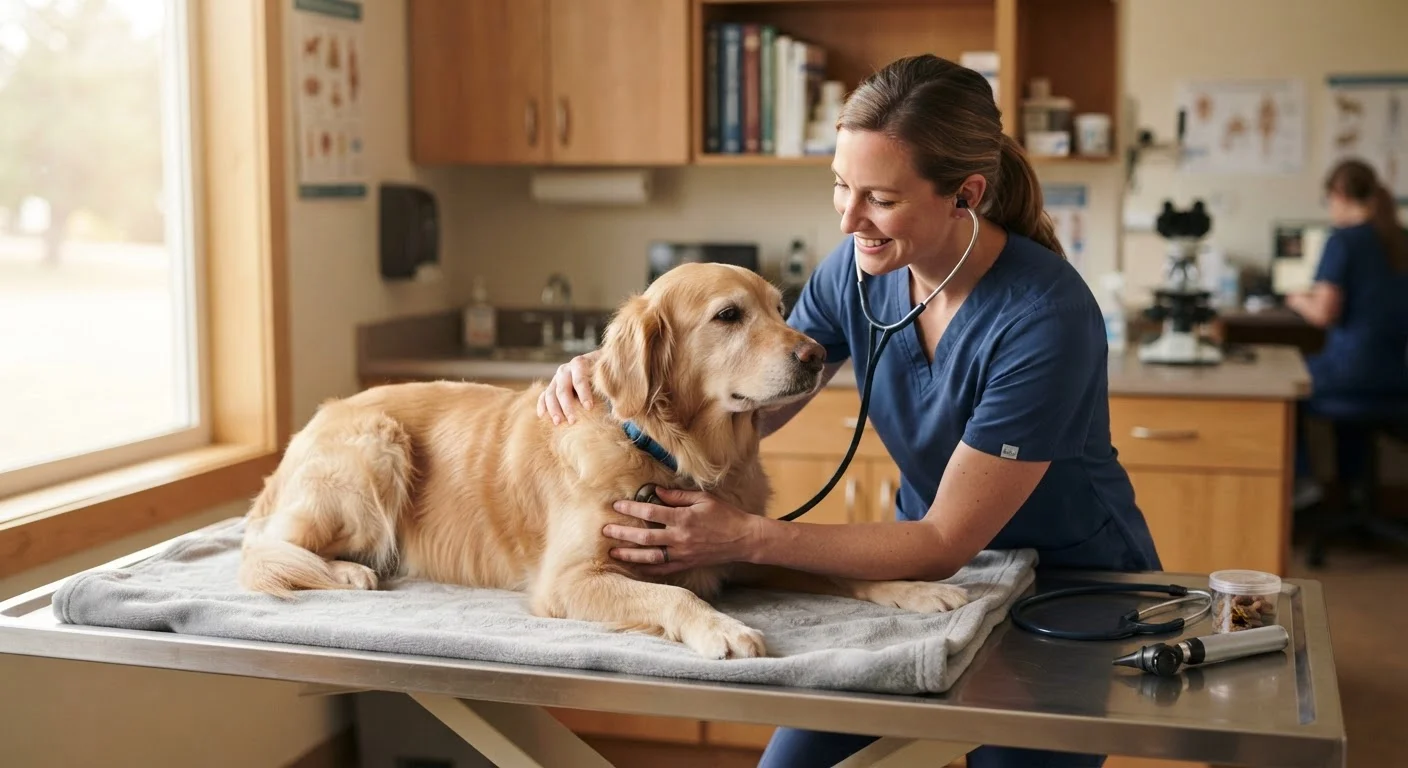
- Heart and lungs: Listening with a stethoscope helps identify heart murmurs, arrhythmias, or abnormal lung sounds that might indicate early cardiac or respiratory issues.
- Abdomen: Gentle palpation can reveal organ enlargement, masses, pain responses, or abnormal fluid accumulation.
- Skin and coat: The condition of your pet's coat and skin reflects internal health. Vets look for parasites, lesions, lumps, and coat quality changes.
- Lymph nodes: Enlarged lymph nodes can signal infection or, in some cases, more serious conditions requiring follow-up.
- Musculoskeletal system: Joint mobility, muscle mass, and gait are assessed — particularly important as pets age and arthritis becomes more common.
Weight and body condition are also recorded at every visit. Your vet uses a standardized body condition scoring system — not just a scale number — to evaluate whether your pet is at a healthy weight. For more on this, see why the scale isn't the whole story.
Bring Your Observations to the Exam
Before your appointment, jot down any changes you've noticed — even small ones like altered sleep patterns, subtle limping, or changes in how much your pet drinks. Vets rely heavily on owner-reported history to guide their clinical assessment. A two-minute list can meaningfully change what gets investigated.
Preventive Care: Vaccines, Parasites, and Diagnostics
Beyond the physical exam, wellness visits are when preventive care decisions are made and updated. Vaccine recommendations are reviewed based on your pet's age, lifestyle, and local disease risks — not all pets need the same vaccines. Core vs. non-core vaccine distinctions help guide these individualized decisions.
Parasite prevention is also addressed — heartworm testing, flea and tick prevention strategies, and intestinal parasite screening via fecal testing are standard parts of the preventive picture. Your vet will tailor recommendations based on where you live and your pet's outdoor exposure.
Diagnostic testing is increasingly part of routine wellness care, particularly for middle-aged and senior animals. A complete blood count (CBC) and chemistry panel can reveal early kidney disease, thyroid dysfunction, liver changes, and blood sugar abnormalities before clinical signs appear. For pets entering their senior years, these panels become especially valuable — a topic covered in depth in what to expect as your pet ages.
The Conversation That Completes the Visit
A wellness exam isn't just physical — it's also a dialogue. Your vet will ask about changes in appetite, thirst, elimination habits, energy levels, and behavior. These observations from you are genuinely valuable clinical data, because you see your pet every day in ways no vet can.
Come prepared with notes if you can: a limp that comes and goes, increased water intake, or a change in sleep patterns are exactly the kinds of things worth mentioning. Vets are trained to connect behavioral and physical dots that might otherwise go unnoticed.
This is also the right moment to ask about nutrition, dental home care, weight management concerns, or any supplements your pet is receiving. Think of the wellness exam as a partnership — your observations combined with your vet's clinical expertise create the most complete picture of your pet's health.
This article is for general informational purposes only and is not a substitute for professional veterinary advice. Always consult a licensed veterinarian for guidance specific to your pet's health needs.