

Key Takeaways
- About 70% of Americans' sodium intake comes from processed and restaurant foods, not home cooking.
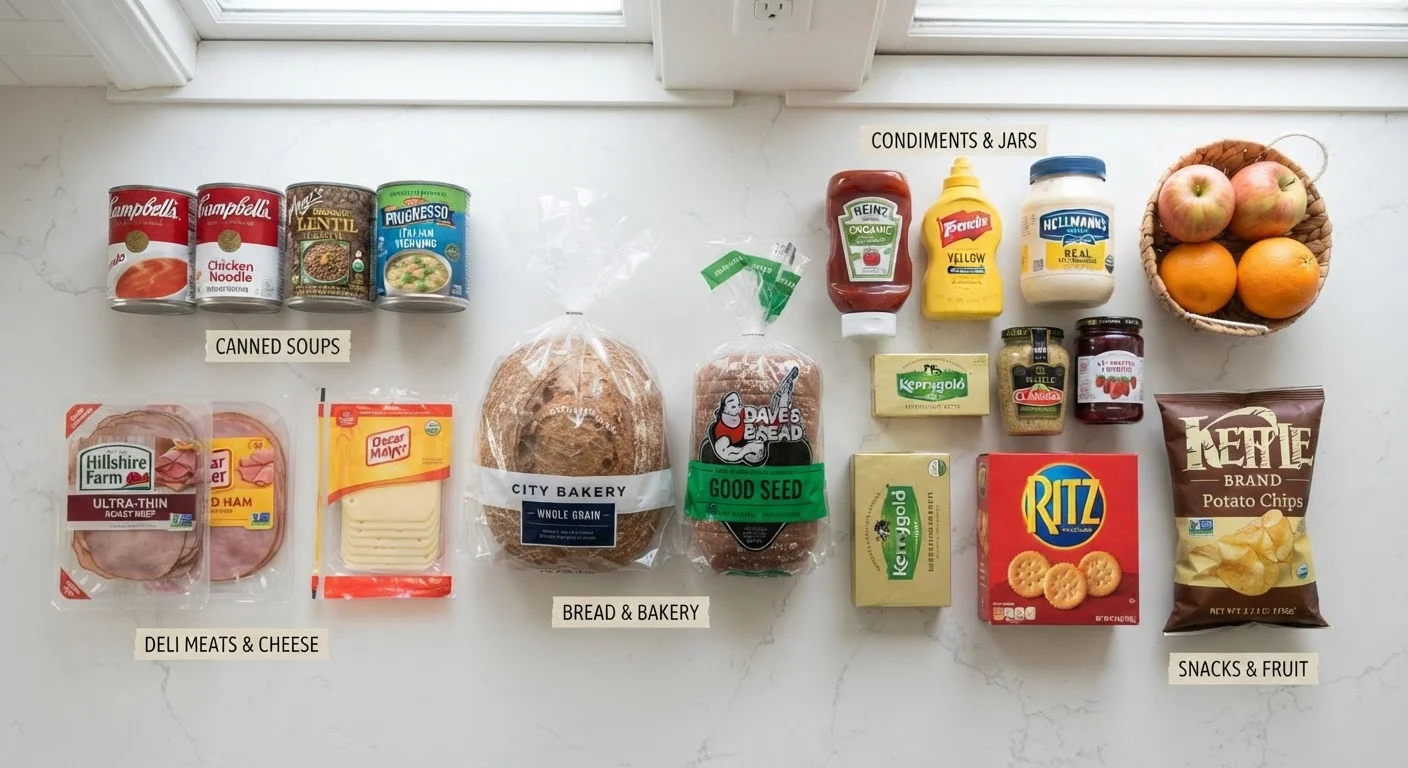
- The top sources include bread, cold cuts, canned soups, pizza, and fast food - often eaten daily.
- Most Americans consume well above the generally recommended 2,300 mg of sodium per day.
- Reading nutrition labels is one of the most practical ways to identify high-sodium foods.
- Reducing sodium gradually can help taste preferences adjust over time.
- Individuals with hypertension or kidney disease should consult a healthcare provider about specific sodium targets.
Dietary Sodium
Sodium is an essential mineral that helps regulate fluid balance, nerve function, and muscle contraction in the body. In the diet, it appears primarily as sodium chloride - ordinary table salt - but also as a preservative and flavor enhancer in thousands of packaged and prepared foods. While some sodium is necessary for normal body function, consuming too much is strongly linked to elevated blood pressure and related cardiovascular risks.
Sodium and salt are often used interchangeably, but they are not identical: one teaspoon of table salt contains approximately 2,300 mg of sodium, which is the level many health guidelines cite as a daily upper limit for most adults.
The Salt Shaker Is Not the Problem
When most people think about cutting back on sodium, they reach for the salt shaker first. It's an understandable instinct - but it misses where the vast majority of dietary sodium actually originates. According to data from the Centers for Disease Control and Prevention (CDC), approximately 70% of sodium in the American diet comes from commercially processed and restaurant-prepared foods. Salt added during cooking or at the table accounts for a comparatively small share.
This distinction matters because it shifts attention toward food purchasing habits rather than seasoning practices. Even a person who never salts their food could still be consuming sodium at concerning levels, simply by eating the foods that dominate standard American grocery carts and restaurant orders.
~70%
Sodium from processed and restaurant foods
According to the Centers for Disease Control and Prevention, approximately 70% of Americans' sodium intake comes from packaged and restaurant foods.
3,400 mg
Average daily sodium intake for U.S. adults
The U.S. Dietary Guidelines for Americans report that the average American adult consumes about 3,400 mg of sodium per day - nearly 50% above the recommended limit.
~11%
Sodium added at the table or during cooking
CDC data indicates that only around 11% of total sodium intake comes from salt that individuals add themselves at home.
The Foods Driving Sodium Intake
The CDC and other researchers have identified a consistent group of foods that contribute the most sodium to American diets. These are not exotic items - they are everyday staples that few people associate with high salt content.
- Bread and rolls: Individually, a slice of sandwich bread may contain 100-200 mg of sodium, but most people eat multiple servings a day, making bread one of the single largest contributors overall.
- Cold cuts and cured meats: Deli turkey, ham, and salami are preserved with salt, often delivering 400-700 mg of sodium per two-ounce serving.
- Canned soups: A single can of condensed soup can contain over 800 mg of sodium, sometimes approaching a full day's recommended intake in one meal.
- Pizza: Between the dough, sauce, cheese, and processed meat toppings, two slices of pizza can easily provide 1,000 mg or more of sodium.
- Fast food and restaurant meals: A single restaurant entrée frequently exceeds 2,000 mg of sodium - the approximate full-day limit for most adults.
Just as Americans often underestimate their sodium from these sources, many also overlook gaps in other nutrients. For context, fiber intake is another area where most US adults fall short, suggesting that the overall dietary pattern - not just individual nutrients - deserves attention.
Why Processed Foods Are So High in Sodium
Sodium serves several industrial functions beyond flavor. In processed foods, it acts as a preservative that extends shelf life by inhibiting microbial growth. It also improves texture, masks bitterness from certain food additives, and enhances the perception of flavor - which is why manufacturers often use it generously. The result is that sodium ends up in foods where consumers might not expect it, including breakfast cereals, cottage cheese, pickled vegetables, and even some sweet baked goods.
Restaurant kitchens similarly rely on sodium-rich sauces, broths, and seasoning blends that make dishes taste more satisfying in a single sitting - which is a significant factor in why eating out is one of the most reliable ways to exceed daily sodium thresholds.
Start With the Labels, Not the Shaker
When trying to reduce sodium, the most effective first step is scanning Nutrition Facts labels on the packaged and canned foods you buy regularly. Look for items with 5% Daily Value (DV) or less per serving. Swapping just one or two high-sodium staples - like a regular canned soup for a low-sodium version - can make a meaningful difference in your daily total without requiring a dramatic diet change.
Reading Labels and Making Informed Choices
The Nutrition Facts label required on packaged foods in the U.S. lists sodium per serving in milligrams and as a percentage of the Daily Value (DV), based on a 2,300 mg reference. A food with 20% DV or more is considered high in sodium; 5% DV or less is considered low. Because serving sizes on labels can be smaller than what most people actually eat, it's worth checking how many servings a typical portion represents.
Looking for labels marked "low sodium" (140 mg or less per serving) or "no salt added" on canned and packaged goods can meaningfully reduce intake without requiring a complete overhaul of eating habits. Building more meals around whole, minimally processed ingredients - including a wider range of protein sources - can further reduce sodium exposure. Protein sources beyond meat, such as legumes and eggs, are naturally low in sodium compared to most processed meat alternatives.
This article is for general informational and educational purposes only and is not a substitute for professional medical advice. If you have questions about your sodium intake, blood pressure, or dietary needs, consult a qualified healthcare provider.