

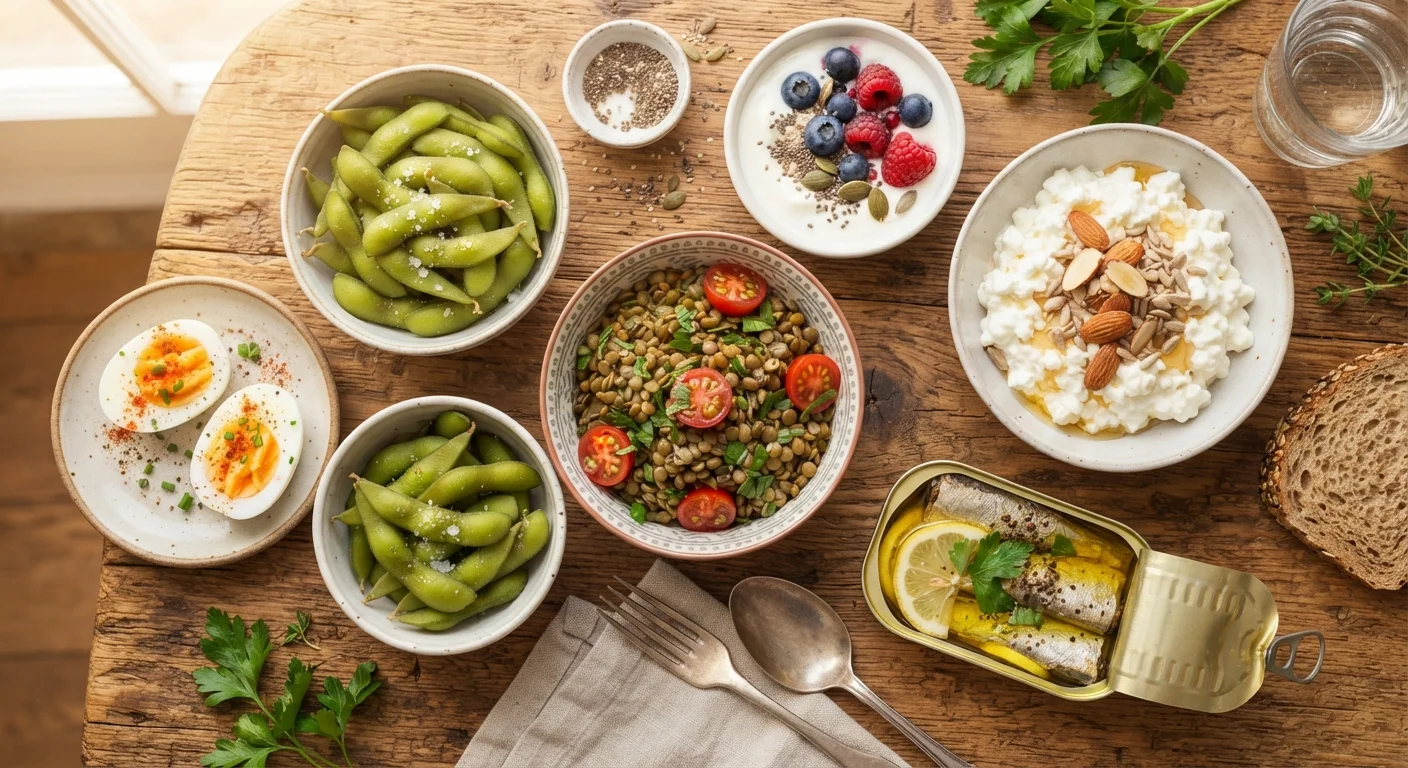
Key Takeaways
- Most Americans consume protein almost exclusively from beef and chicken, missing a wide variety of nutrient-dense alternatives.
- Legumes, eggs, dairy, soy, and seafood each offer distinct nutritional profiles alongside their protein content.
- Diversifying protein sources can support fiber intake, heart health, and overall dietary balance.
- Many overlooked protein sources are cost-effective and widely available at standard grocery stores.
- Always consult a qualified healthcare professional or registered dietitian for personalized dietary guidance.
Why Protein Diversity Matters
Ask most Americans to name a protein source and the answers tend to cluster around chicken breast, ground beef, and maybe a protein shake. These are perfectly fine foods, but leaning on such a narrow range means routinely missing out on nutrients that travel alongside protein in less familiar packages - things like fiber, omega-3 fatty acids, probiotics, and a broader array of vitamins and minerals.
According to dietary survey data, the US diet skews heavily toward animal proteins, particularly red and processed meat, which several major health organizations link to elevated cardiovascular risk when consumed in large amounts. Broadening the protein mix isn't about eliminating meat - it's about filling in nutritional gaps and building a more resilient eating pattern. The seven sources below are all accessible, affordable, and consistently supported by nutritional science, yet they rarely get the spotlight they deserve.
For context on other commonly underconsumed nutrients, it's worth reading about dietary fiber and why most US adults fall short - several of the protein sources listed here happen to be excellent fiber contributors as well.
Lentils and dried legumes
Lentils, black beans, chickpeas, and kidney beans are among the most protein-dense plant foods available, typically delivering 15-18 grams of protein per cooked cup depending on variety. What sets them apart from many animal proteins is the fiber they carry with them - roughly 13-16 grams per cup - which supports digestive health and helps regulate blood sugar response after meals.
Canned legumes require almost no preparation and are one of the most affordable grocery staples in the country. Dried lentils in particular cook in under 30 minutes with no soaking required, making them one of the more weeknight-friendly plant proteins available.
Lentils deliver both substantial protein and fiber in a single, affordable package.
Cottage cheese
Cottage cheese has undergone a quiet revival, and for good reason. A one-cup serving of low-fat cottage cheese provides around 25 grams of protein, predominantly casein - a slower-digesting protein that research suggests may support muscle protein synthesis over a sustained period, particularly when consumed before sleep.
It's also relatively low in calories and pairs with both savory and sweet preparations, from scrambled eggs to fruit bowls to pasta sauces blended smooth. For people who find Greek yogurt fatiguing as a daily protein anchor, cottage cheese offers a comparable nutritional profile with a different flavor and texture.
Cottage cheese provides around 25 grams of slow-digesting protein per cup.
Eggs
Eggs are well known but consistently under-eaten relative to their nutritional value. Each egg delivers about 6 grams of complete protein - meaning it contains all nine essential amino acids - along with choline, vitamin D, and lutein. Decades of concern about dietary cholesterol have eased significantly; current evidence from major health institutions generally supports moderate egg consumption as part of a balanced diet for most healthy adults.
Eggs are also one of the most versatile proteins in home cooking, functioning as a fast weeknight protein, a breakfast anchor, or a meal-extending addition to grain bowls and salads.
Eggs contain all nine essential amino acids and are among the most versatile proteins in any kitchen.
Canned and pouched fish
Canned salmon, sardines, mackerel, and tuna are significantly underutilized given how much nutritional value they offer per dollar spent. A 3-ounce serving of canned salmon provides roughly 17-19 grams of protein along with a substantial dose of omega-3 fatty acids, which are associated with cardiovascular and cognitive health benefits. Sardines, often overlooked due to their strong flavor, also contribute meaningful amounts of calcium from their edible bones.
From a sodium standpoint, it's worth noting that canned fish can be a contributor to daily sodium intake - choosing varieties packed in water and labeled low-sodium can help manage that. For a broader look at where dietary sodium actually accumulates, see how sodium adds up in the American diet.
Canned salmon offers nearly 18 grams of protein per serving, plus heart-healthy omega-3s.
Edamame and whole soy foods
Whole soy foods - edamame, tofu, and tempeh - are among the few plant-based protein sources classified as nutritionally complete, meaning they contain all essential amino acids in proportions similar to animal proteins. Edamame provides about 17 grams of protein per cup, while tempeh, which is fermented, delivers closer to 30 grams per cup along with gut-friendly bacteria.
Despite decades of debate fueled largely by animal studies using isolated soy compounds, major nutrition and oncology organizations have generally found moderate consumption of whole soy foods to be safe and potentially beneficial for most people. As with all dietary questions involving a health condition, consulting a healthcare provider is advisable.
Edamame and tempeh are among the rare plant proteins that qualify as nutritionally complete.
Greek yogurt
Greek yogurt has become more mainstream, but many Americans still reach for regular yogurt or skip dairy protein altogether. The straining process that differentiates Greek yogurt concentrates its protein substantially - a 6-ounce container of plain, low-fat Greek yogurt typically contains 15-17 grams of protein compared to 5-6 grams in conventional yogurt of the same size.
It also provides live active cultures that support gut microbiome diversity, along with calcium and potassium. The key nutritional caveat: flavored varieties often carry significant added sugar, so plain versions allow the most control over overall nutritional quality.
Plain Greek yogurt packs nearly three times the protein of conventional yogurt in the same serving.
Hemp seeds and pumpkin seeds
Seeds rarely come to mind as serious protein sources, but hemp seeds and pumpkin seeds (pepitas) are genuinely competitive. Three tablespoons of hemp seeds provide approximately 10 grams of protein, and like soy, hemp seeds are nutritionally complete. They also contribute a favorable ratio of omega-6 to omega-3 fatty acids. Pumpkin seeds offer around 9 grams per ounce and are rich in magnesium and zinc, two minerals many Americans consume in insufficient amounts.
Their practical advantage is frictionless integration - both seeds scatter effortlessly over oatmeal, salads, yogurt, or smoothies without changing the fundamental character of a dish.
Three tablespoons of hemp seeds deliver around 10 grams of complete protein with minimal preparation.
Building a More Complete Plate
None of these protein sources require a dramatic overhaul of your eating habits. Swapping one chicken-based dinner per week for a lentil soup, adding cottage cheese to a weekday breakfast, or tossing canned sardines into a pasta dish are incremental steps that accumulate meaningful nutritional value over time. If you're looking for practical ways to fold more of these into daily meals without starting from scratch, the strategies outlined in adding more vegetables without overhauling your diet apply equally well here - small additions, not wholesale replacements.
Start With One Swap Per Week
Diversifying protein doesn't require a dietary overhaul. A practical starting point is identifying one meal per week where you currently rely on beef or chicken and experimenting with a different source from this list. Over a few months, these incremental substitutions tend to become habitual rather than effortful. Keeping canned fish, bagged lentils, and a tub of Greek yogurt in regular rotation lowers the friction considerably.
This article is for general informational and educational purposes only and is not a substitute for professional medical or dietary advice. Speak with a registered dietitian or qualified healthcare provider before making significant changes to your diet, especially if you have an existing health condition, food allergy, or specific nutritional needs.