

Key Takeaways
- Defensive driving means anticipating hazards, not just reacting to them when they appear.
- Maintaining adequate following distance is one of the single most effective collision-prevention habits.
- Driver distraction remains a leading cause of preventable crashes on US roads.
- Modern vehicle safety systems assist drivers but cannot replace attentive, proactive driving behavior.
- Adjusting speed and space to match road and weather conditions reduces crash risk significantly.
What Defensive Driving Actually Means
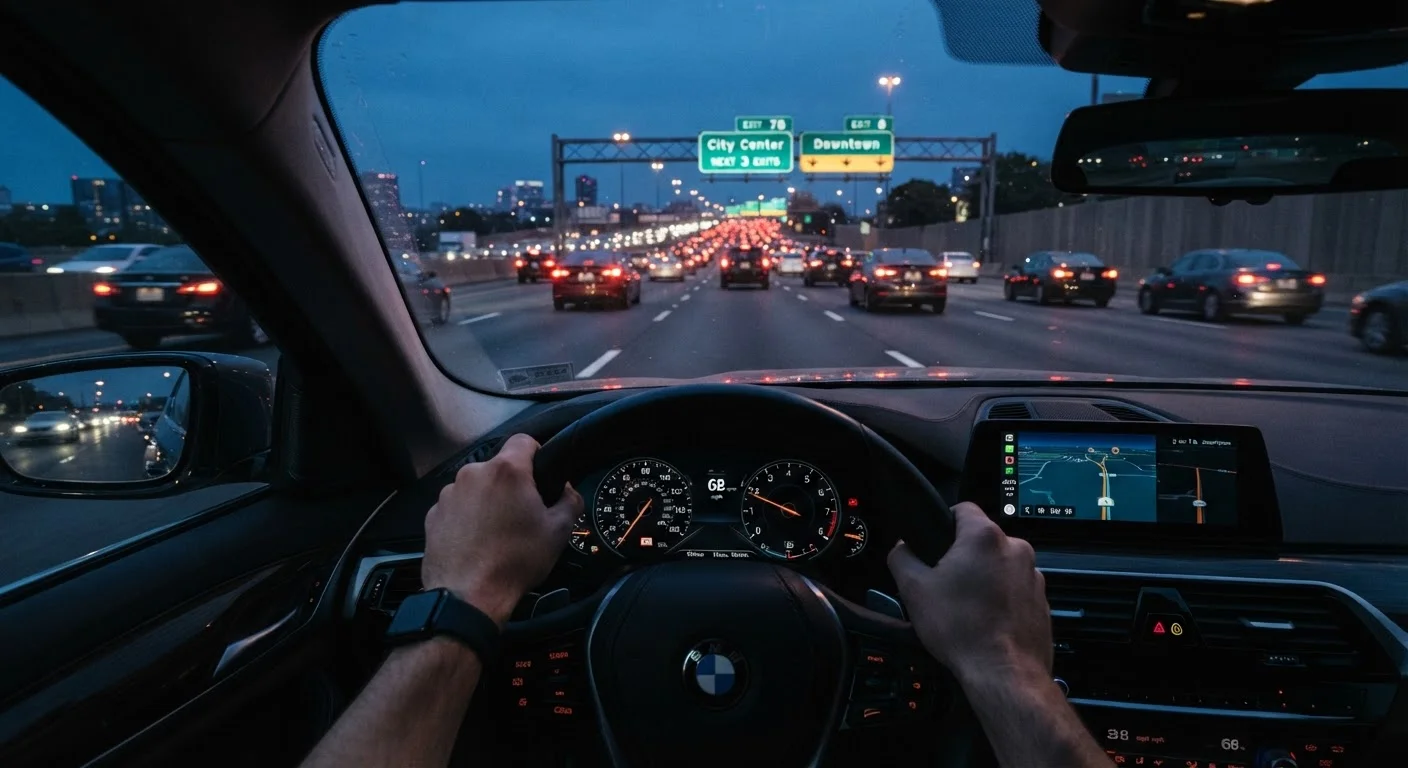
Defensive driving is commonly misunderstood as simply driving slowly or cautiously. In practice, it is a structured mindset: anticipating what other drivers, pedestrians, and road conditions might do before a situation becomes dangerous. Rather than reacting to hazards, a defensive driver scans ahead, identifies risks early, and creates options to avoid them.
This approach matters because most collisions are preventable. The National Safety Council has long noted that human error contributes to the overwhelming majority of traffic crashes in the United States. Understanding how overconfidence affects driving decisions is a useful companion to these principles - the two reinforce each other.
Maintain at least a three-second following distance under normal conditions - more in poor weather.
Rear-end collisions are among the most common crash types in the US, and insufficient following distance is a primary factor. A three-second gap gives a typical driver time to perceive a hazard, decide, and brake before impact. Wet or icy roads require four to eight seconds or more.
Scan the road 12-15 seconds ahead, not just the bumper in front of you.
Looking further down the road gives you more time to identify lane changes, slowing traffic, merges, or debris. Drivers who fixate on nearby vehicles are more likely to be caught off-guard by sudden changes in traffic flow.
Eliminate distractions before moving - set navigation, music, and climate controls while parked.
Cognitive distraction reduces reaction time even when the driver's eyes are on the road. Research from the AAA Foundation for Traffic Safety found that some in-vehicle technology tasks can impair driver attention for more than 27 seconds after completion.
Position your vehicle to maintain an escape route - avoid sitting in other drivers' blind spots.
Spending extended time alongside a large truck or in a neighboring vehicle's blind spot removes your ability to be seen and limits your lateral options. Staying visible and maintaining gaps to the sides preserves choices if a driver drifts or merges unexpectedly.
Communicate your intentions clearly and early using signals and brake lights.
Other drivers make predictions about your behavior based on available cues. Early signaling reduces surprise, gives following traffic time to adjust, and helps prevent chain-reaction events - especially in dense or high-speed traffic.
Core Principles That Reduce Collision Risk
The following practices represent the foundation that driver education programs, traffic safety researchers, and professional driving instructors consistently point to as most effective. None require special equipment - only deliberate habit formation.
It is also worth understanding how your vehicle's built-in systems interact with these habits. Modern safety technologies like ABS and automatic emergency braking work best when the driver has already created the space and time for them to function.
Conditions, Visibility, and Adjusting Your Approach
Defensive driving is not a fixed formula - it scales with conditions. Rain, fog, glare, heavy traffic, and nighttime driving all reduce the margin for error. Speed limits represent a legal maximum under ideal conditions, not a target regardless of what surrounds you.
~94%
Of crashes linked to human choice or error
According to NHTSA data, human factors - including distraction, impairment, and speeding - are cited in the critical reasons behind the vast majority of US traffic crashes.
3-4×
Increase in stopping distance on wet roads
Wet pavement can multiply stopping distances significantly compared to dry conditions, underscoring why speed and following distance must be adjusted in rain.
Visibility deserves particular attention. Stopping distance and headlight range interact in ways many drivers underestimate, especially at highway speeds. Slowing down and increasing following distance at night or in poor weather directly extends your reaction window.
Keeping your vehicle in sound mechanical condition also supports defensive driving. Routine maintenance - tires, brakes, lights, and wipers - ensures the car responds reliably when you need it most. For a broader view on balancing upkeep with cost, strategies that lower ownership costs without compromising safety are worth reviewing.
This article is for general informational and educational purposes only. Always follow applicable traffic laws and consult a certified driver training program for formal instruction.