

Key Takeaways
- Studies suggest that most dogs and cats show signs of periodontal disease by age three.
- Bad breath is often the first noticeable sign — not a normal part of being a pet.
- Oral bacteria can enter the bloodstream and affect the heart, kidneys, and liver.
- Professional veterinary dental cleanings require anesthesia to be done safely and thoroughly.
- At-home tooth brushing, when done consistently, is the most effective daily prevention.
- Annual wellness exams should always include an oral health assessment.
Periodontal Disease in Pets
Periodontal disease is a progressive infection of the structures supporting a pet's teeth — including the gums, ligaments, and jawbone. It begins as plaque buildup and, if untreated, advances to gum inflammation, bone loss, and tooth loss. It is the most commonly diagnosed condition in adult dogs and cats, yet it often goes unnoticed until significant damage has occurred.
Periodontal disease is staged from Grade 1 (gingivitis only, reversible) to Grade 4 (severe bone loss, often requiring tooth extraction). Veterinary dental radiographs are essential for accurate staging, as much of the disease occurs below the gumline.
Why Dental Disease Gets Missed
Pets are experts at hiding discomfort. A dog with a painful tooth may continue eating enthusiastically — switching to softer food or chewing on one side without their owner ever noticing. Cats are similarly stoic. Because the signs are subtle and develop gradually, dental disease routinely reaches an advanced stage before it's identified.
Unlike a limp or a skin lesion, oral disease isn't visible during normal interaction. Owners rarely look inside their pet's mouth, and many assume that occasional bad breath is simply part of having an animal. In reality, persistent halitosis is one of the earliest warning signs that something is wrong below the gumline.
This is why dental disease is often called the most overlooked condition in veterinary medicine. It's not rare — it's just quiet. Understanding what to look for, and why it matters, is the first step toward changing that. See our guide to overlooked grooming routines for other easy-to-miss aspects of pet maintenance.
How Periodontal Disease Progresses
The disease follows a predictable path. Plaque — a sticky film of bacteria — forms on tooth surfaces within hours of eating. If not removed, it mineralizes into tartar (also called calculus) within days. Tartar irritates the gum tissue, leading to gingivitis: the red, inflamed gum margins that signal early disease.
At this stage, the condition is still reversible with a professional cleaning. Left untreated, bacteria migrate beneath the gumline, attacking the periodontal ligament and the bone surrounding each tooth. This deeper destruction is called periodontitis — and it cannot be undone. Affected teeth may become loose, abscess, or require extraction.
~80%
Dogs showing dental disease signs by age 3
According to the American Veterinary Medical Association, the majority of dogs exhibit signs of periodontal disease by their third year of life.
70%+
Cats affected by age 3
Veterinary dental literature similarly estimates that most cats develop periodontal disease early in adulthood, often without obvious behavioral changes.
60%
Dental disease invisible without X-rays
Research published in veterinary dentistry journals suggests that a substantial portion of periodontal lesions occur below the gumline and cannot be detected by visual inspection alone.
Veterinary dental radiographs — X-rays of the tooth roots and surrounding bone — are essential for assessing the true extent of damage. Studies consistently show that a significant portion of dental disease is invisible to the naked eye, which is why visual inspection alone is insufficient.
The Whole-Body Connection
Oral health is not isolated from the rest of the body. When gum tissue is inflamed and infected, bacteria can enter the bloodstream repeatedly — a process known as bacteremia. Research has found associations between severe periodontal disease and changes in kidney, liver, and cardiac function in dogs and cats, though the precise cause-and-effect relationship continues to be studied.
What is well established is that chronic oral infection places a sustained burden on the immune system and can complicate management of other conditions. For aging pets with age-related health changes, dental disease can be one of several compounding factors affecting quality of life. Treating the mouth is genuinely part of treating the whole animal.
Signs That Warrant a Vet Conversation
Persistent bad breath, visible yellow or brown buildup on teeth, red or bleeding gums, pawing at the mouth, dropping food, or reluctance to chew hard foods are all reasons to schedule a dental evaluation. You don't need to wait for a scheduled annual visit — these signs can indicate disease that is already progressing.
What Vets Do — and What Owners Can Do
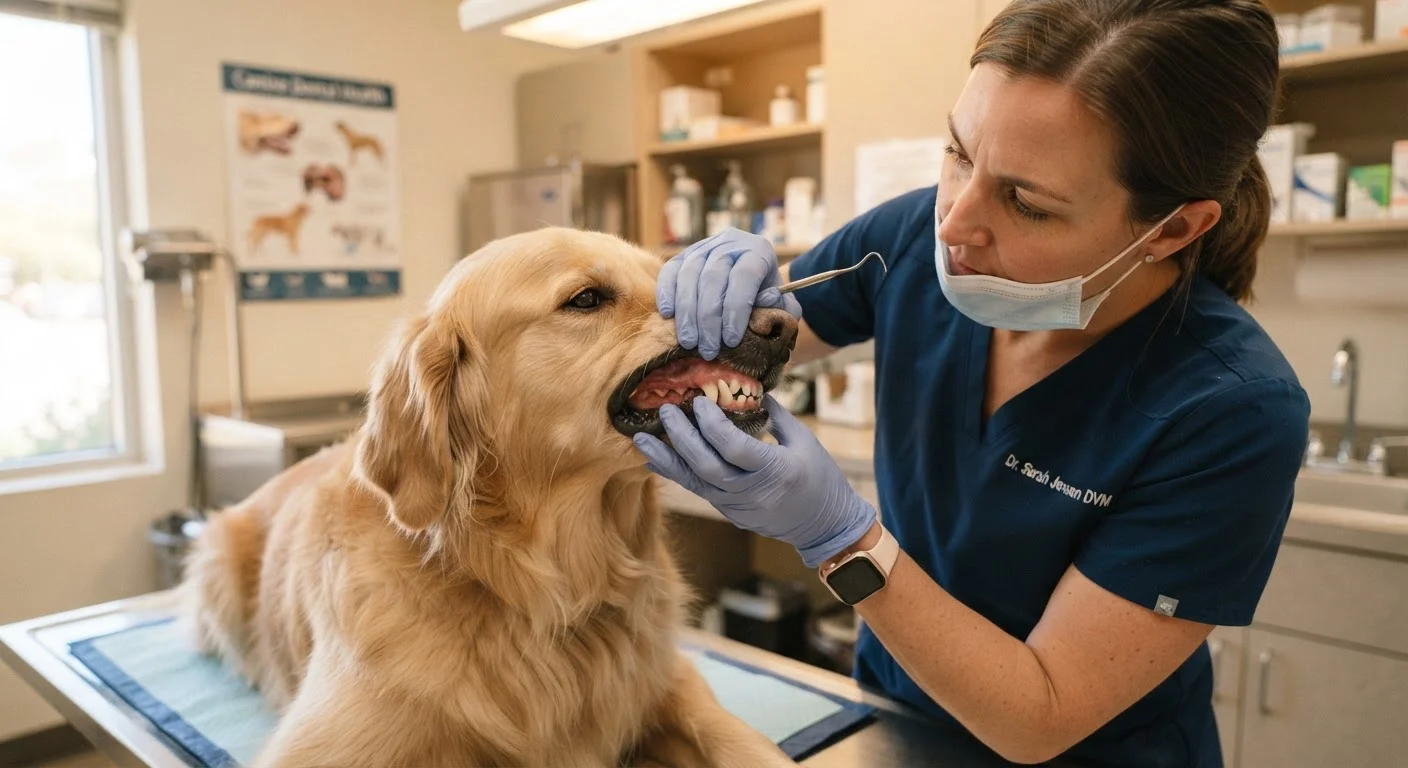
A professional veterinary dental cleaning is more than a polish. Under general anesthesia, the veterinary team scales plaque and tartar from all tooth surfaces — including below the gumline — probes each tooth for pocketing, takes full-mouth radiographs, and extracts or treats any teeth that are beyond recovery. Anesthesia is required to do this safely and completely; procedures performed without it address only the visible crown and leave disease untreated.
At home, daily tooth brushing with a pet-specific toothpaste remains the single most effective way to slow plaque accumulation between cleanings. Veterinary-approved dental chews, water additives, and dental diets can provide supplemental support, though none replaces mechanical brushing. Look for products carrying the Veterinary Oral Health Council (VOHC) seal, which indicates that the product has met published standards for plaque or tartar reduction.
Everyday care basics — including oral hygiene — work best when they become consistent habits early in a pet's life. Starting tooth brushing with puppies and kittens dramatically increases the likelihood that the pet will accept it as an adult.
This article provides general educational information about pet dental health and is not a substitute for professional veterinary advice. If you have concerns about your pet's oral health, consult a licensed veterinarian.