

Key Takeaways
- Checking in with a healthcare provider before starting is especially important if you have existing health conditions.
- Defining a realistic schedule around your existing commitments dramatically improves long-term adherence.
- Having the right gear and a safe environment reduces early injury risk significantly.
- Setting measurable, specific goals helps you track progress and stay motivated past the first few weeks.
- Recovery planning is just as important as the workouts themselves when building a sustainable routine.
Summary
22 items · 30-60 minutes
Why a Readiness Check Matters Before Day One
Starting a new exercise routine is one of the most impactful health decisions you can make - but jumping in without preparation is one of the most common reasons people quit within the first month. A brief readiness review helps you identify gaps in planning, reduce injury risk, and set realistic expectations before you lace up your shoes.
This checklist is designed for adults at any fitness level who are preparing to begin a structured physical activity routine. It is general health information intended for educational purposes and is not a substitute for advice from your personal healthcare provider. If you have any chronic conditions, recent injuries, or are unsure about your readiness for exercise, consult a qualified medical professional before you begin.
Just as you'd work through a structured plan before a major commitment - like the approach outlined in our pre-course checklist for online learners - a fitness readiness check ensures you're set up for success from the start.
Medical & Physical Readiness
Goal Setting & Motivation
Scheduling & Time Commitment
Equipment & Environment
Recovery & Sustainability
Tools and Resources to Have Ready
You don't need a lot of equipment to start exercising, but having the right basics on hand removes friction that can derail your momentum in those critical early weeks.
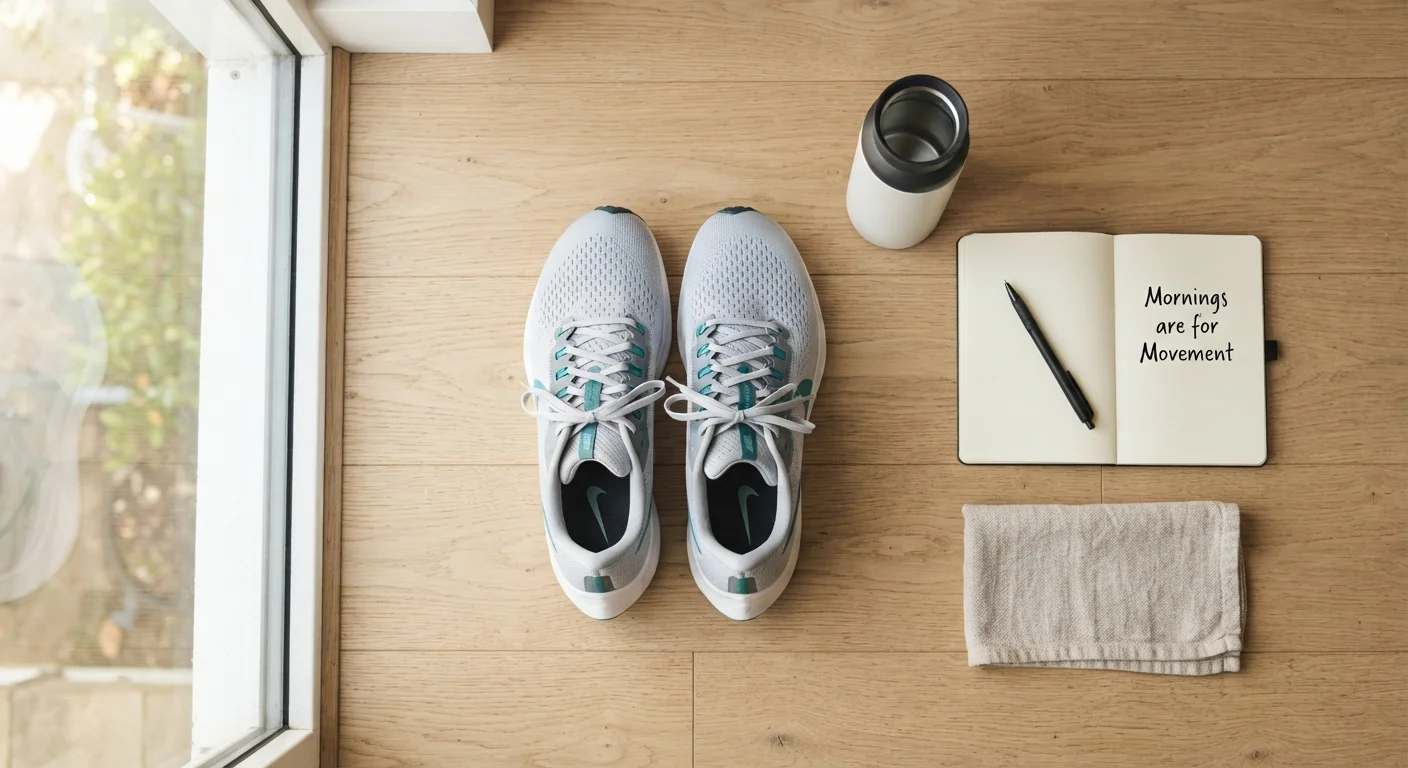
Supportive athletic footwear
Proper shoes matched to your activity type reduce impact stress and lower the risk of common overuse injuries.
Water bottle (reusable, at least 16 oz)
Staying hydrated before, during, and after exercise supports performance and recovery.
Exercise journal or notebook
Logging workouts helps you track consistency, notice patterns, and stay accountable to your goals.
Fitness tracking app or pedometer
Basic activity tracking provides objective feedback on your early progress without requiring expensive equipment.
Resistance bands or exercise mat
Versatile, low-cost tools that enable a wide range of beginner-friendly strength and flexibility exercises at home.
PAR-Q form (printable)
The Physical Activity Readiness Questionnaire is a standardized self-screening tool available from public health organizations to help you assess exercise readiness.
Once you've worked through this checklist and assembled your essentials, a structured program can keep you progressing safely. If running is your goal, our 8-week walk-to-run framework offers a gradual approach designed to minimize early injury risk.
When to Consult a Doctor First
If you experience chest pain, shortness of breath at rest, dizziness, or unexplained joint pain, do not begin an exercise program without first speaking to a healthcare provider. The same applies if you have been diagnosed with a heart condition, type 2 diabetes, hypertension, or osteoporosis. This checklist is a general planning tool - it is not a medical clearance. A qualified clinician is the only person who can assess your individual readiness.
This article is for informational purposes only and is not medical advice. Always consult a qualified healthcare professional before beginning any new exercise program, particularly if you have existing health conditions, are pregnant, or have not been physically active for an extended period.