

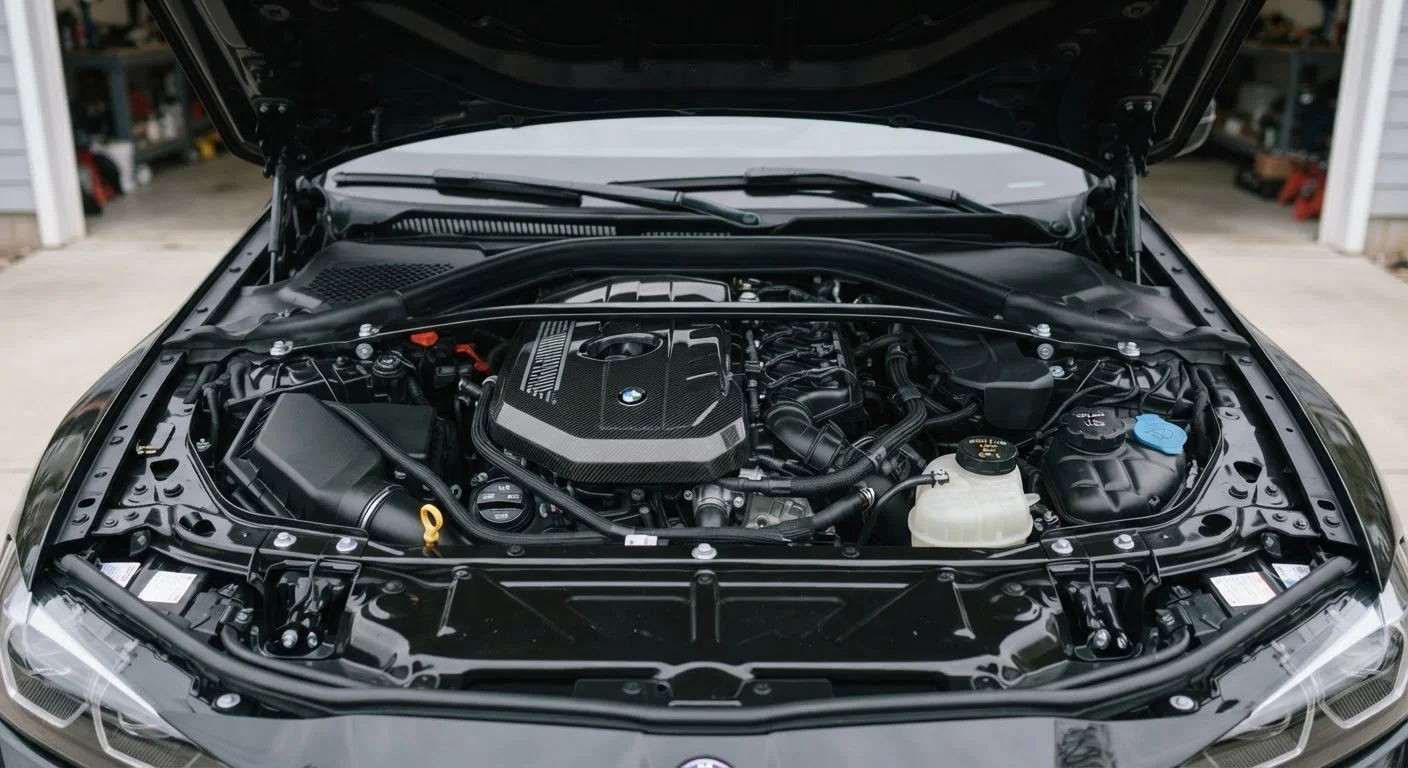
Key Takeaways
- Most vehicles use six or more distinct fluids, and each one protects a different system.
- Low or degraded fluid is one of the most common - and preventable - causes of expensive repairs.
- Many fluid checks take under two minutes and require no tools.
- Your owner's manual is the authoritative source for the correct fluid type and service intervals for your specific vehicle.
- Some fluids, like brake fluid, degrade over time even if you don't drive much.
Start here
Why Vehicle Fluids Matter
Core knowledge
Engine Oil: The Lifeblood of Your Engine
Go deeper
Coolant, Brake Fluid, and Transmission Fluid
Complete the picture
Power Steering, Washer Fluid, and Battery Fluid
Put it into practice
Keeping Up With Fluid Checks
Why Vehicle Fluids Matter
Your car is essentially a network of systems - each one generating heat, friction, pressure, or corrosive byproducts that need to be managed. Fluids are how your car manages them. They lubricate moving metal parts, carry away heat, transfer force, and protect surfaces from rust and wear.
Neglecting fluids is one of the most avoidable ways to turn a routine maintenance cost into a major repair bill. Unlike a worn tire or a cracked belt, degraded fluid is invisible from the outside - which is exactly why understanding what each one does gives you a real edge as a car owner. This guide is part of our broader resource on car maintenance from the ground up.
Engine Oil: The Lifeblood of Your Engine
Engine oil has two jobs: lubrication and cooling. It forms a thin film between metal components - pistons, crankshaft, camshaft - so they move against each other without grinding. It also carries heat away from areas the coolant can't reach directly.
Over time, oil breaks down chemically and accumulates contaminants like combustion byproducts and metal particles. That's why it needs to be changed at regular intervals, not just topped off. The correct viscosity grade (e.g., 5W-30) and oil type (conventional, synthetic, or synthetic blend) for your engine is listed in your owner's manual - not on the oil filler cap of a random shelf product.
Check Oil When the Engine Is Cold
For the most accurate dipstick reading, check your engine oil at least 10 minutes after the engine has been off, on a level surface. Hot oil clinging to the dipstick can give a falsely low reading and make the color harder to assess accurately.
A low oil level is different from dirty oil. Check the dipstick monthly: the oil should sit between the two marks and appear amber to dark brown. Black, gritty, or milky oil are signs something's wrong beyond a normal change.
Coolant, Brake Fluid, and Transmission Fluid
Coolant (antifreeze) circulates through your engine and radiator to regulate operating temperature. It prevents overheating in summer and freezing in winter, and it contains corrosion inhibitors that protect aluminum and steel components inside the cooling system. Coolant degrades over time - its inhibitors deplete - so it typically needs flushing every two to five years depending on the formula and your vehicle.
Brake fluid is a hydraulic fluid that transmits the force of your foot on the pedal to the brake calipers at each wheel. It's hygroscopic, meaning it absorbs moisture from the air over time. Absorbed water lowers the fluid's boiling point, which can cause brake fade under hard use. Most manufacturers recommend inspecting or replacing brake fluid every two years regardless of mileage.
Never Open the Coolant Reservoir When Hot
Coolant is under pressure when the engine is warm. Removing the cap on a hot system can cause scalding fluid to spray out suddenly. Always let the engine cool completely - at least 30 minutes - before opening the coolant reservoir or radiator cap.
Automatic transmission fluid (ATF) lubricates the gears and clutch packs inside the transmission, cools the unit, and acts as a hydraulic fluid for shifting. Using the wrong ATF type can damage the transmission; always match the spec in your owner's manual. Signs of aging fluid include a dark color or a burnt smell.
Power Steering, Washer Fluid, and Battery Fluid
Power steering fluid (in vehicles with hydraulic systems) transmits force from the steering wheel to the rack. Many newer vehicles use electric power steering and have no fluid reservoir at all - check your owner's manual if you're unsure which type you have. Low power steering fluid typically causes a whining noise when turning.
Windshield washer fluid is straightforward but genuinely safety-critical: it keeps your view clear. Plain water freezes in cold weather and can harbor bacteria. Use a proper washer solution rated for the temperatures in your region.
Battery electrolyte applies only to older flooded lead-acid batteries with removable caps. These require distilled water top-offs occasionally. Most modern sealed batteries are maintenance-free. If you're unsure what type of battery is in your vehicle, a mechanic can check during a routine service. For a full picture of what ownership costs look like beyond maintenance, see our overview of car ownership costs.
Keeping Up With Fluid Checks
Building a simple habit around fluid checks is more effective than relying on dashboard warning lights - by the time a light comes on, a problem may already be developing. A monthly check of oil level and condition, coolant level, and windshield washer fluid takes under five minutes with the engine cold.
For intervals on brake, transmission, and power steering fluid, follow the schedule in your owner's manual. Our guide to your car's maintenance schedule explains how to read those intervals and why they're set the way they are. It's also worth knowing which fluid-related advice is outdated - common maintenance myths can lead you to change some fluids more often than needed while overlooking others entirely.
When in doubt about a fluid condition or level, a qualified mechanic can assess and advise during any routine visit. Catching a fluid issue early almost always costs less than repairing the damage caused by ignoring it.